
Filters
13 products
Helpful Wood Front Door Information
Pine Wood Front Doors for Exterior Use
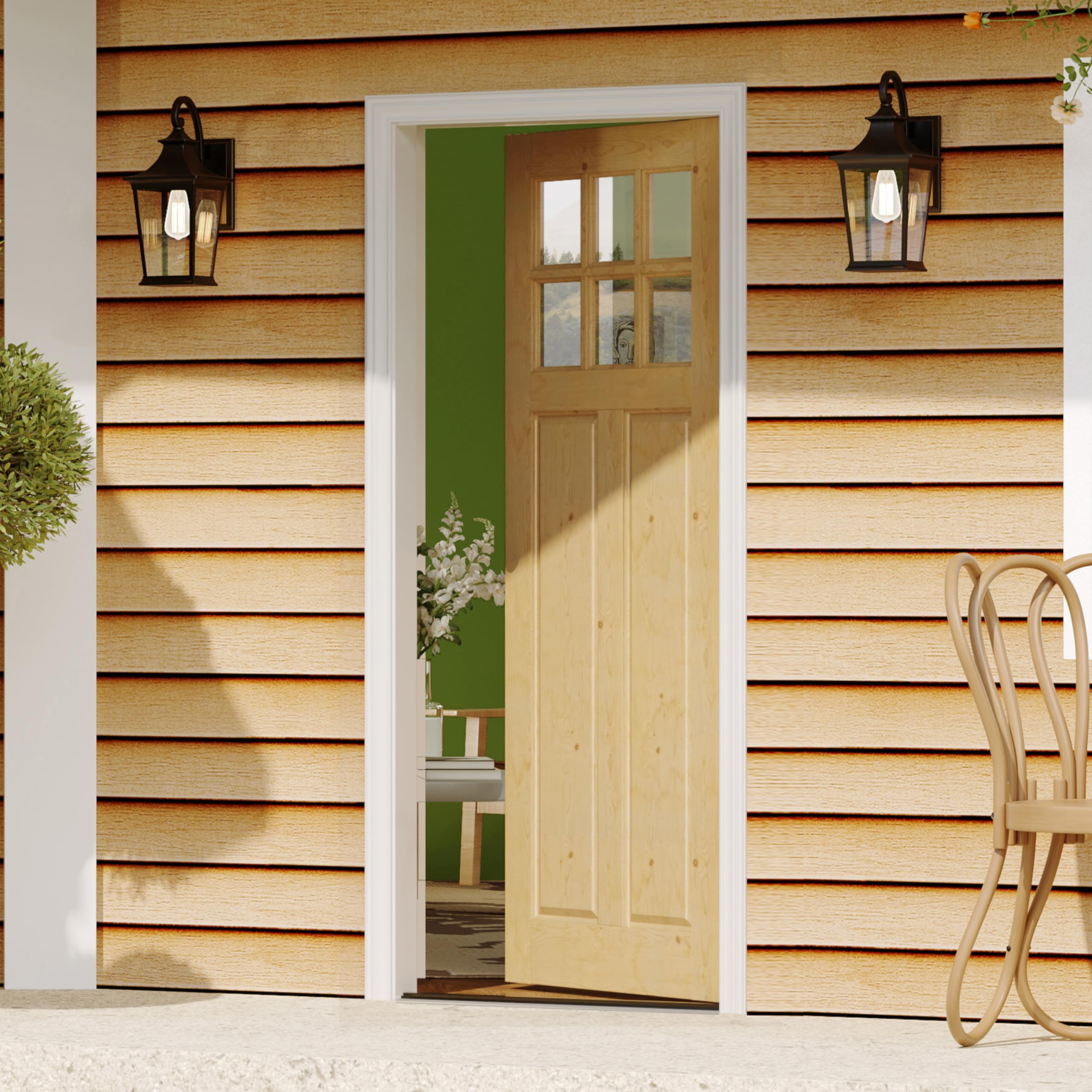
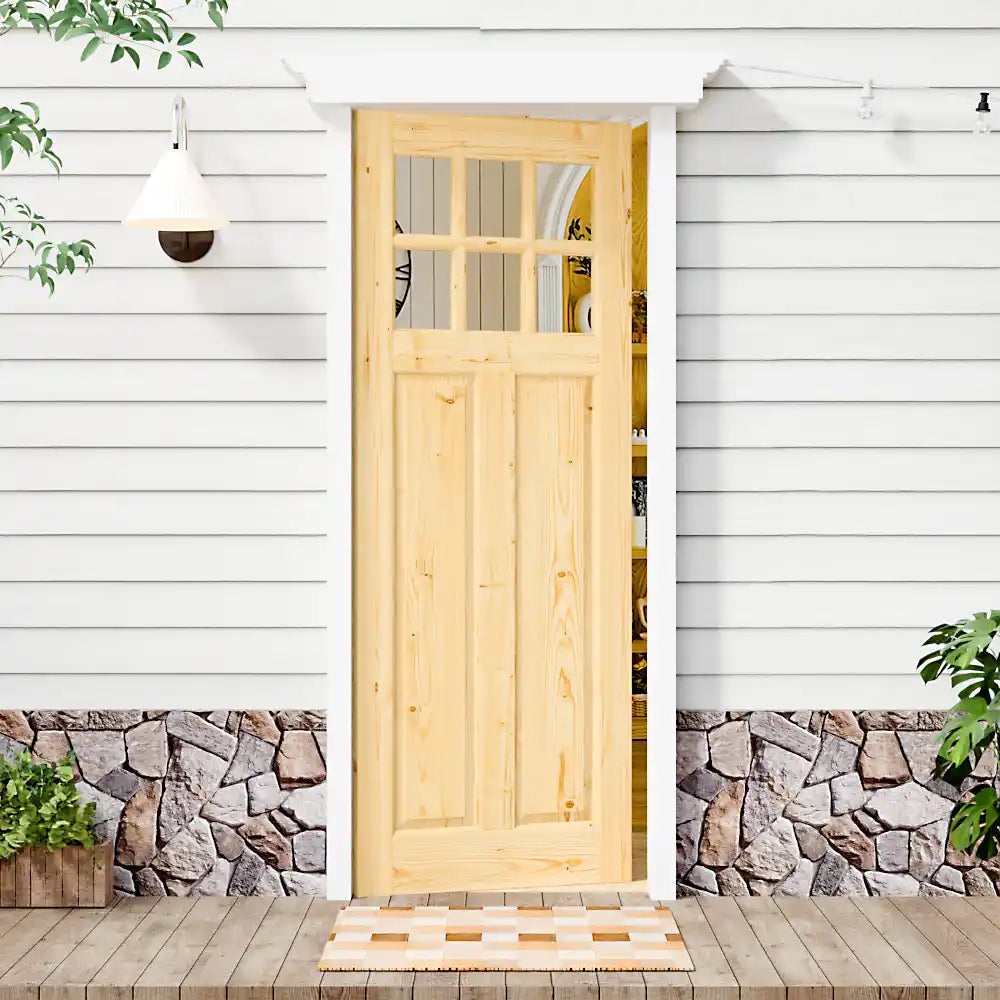
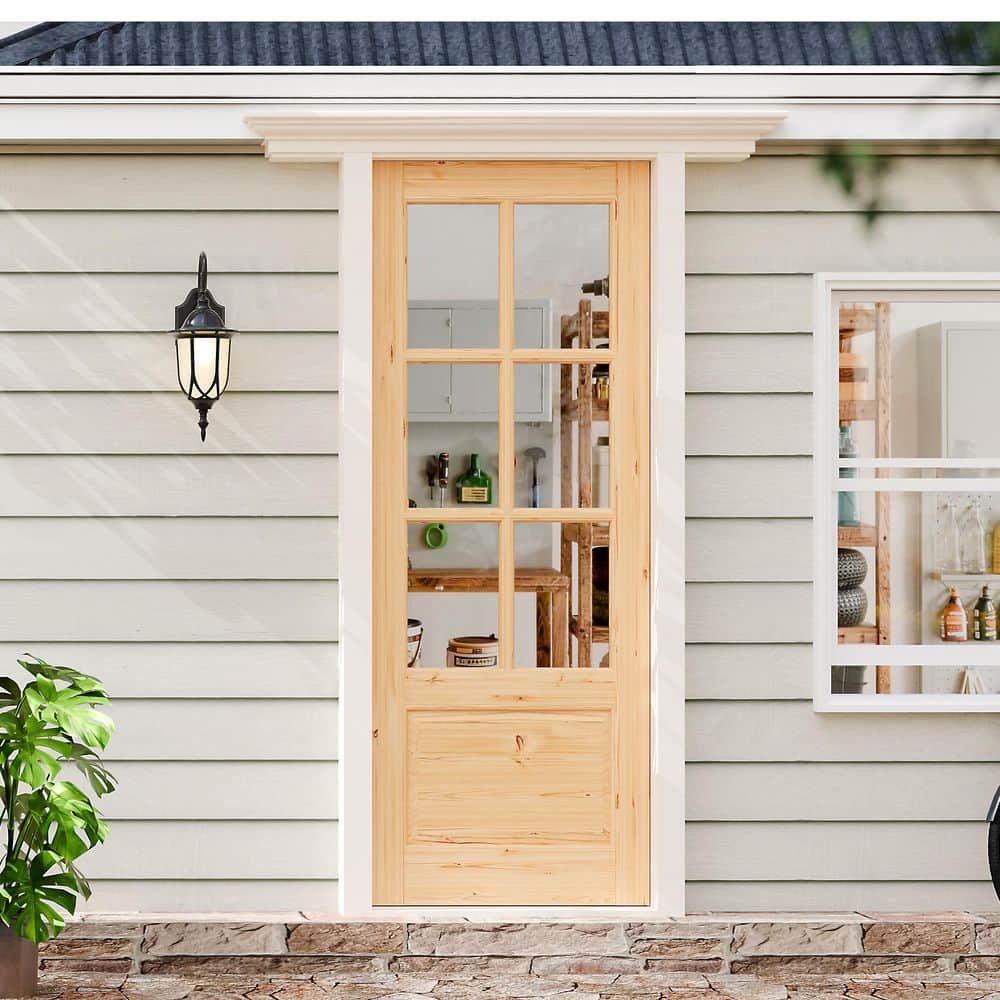
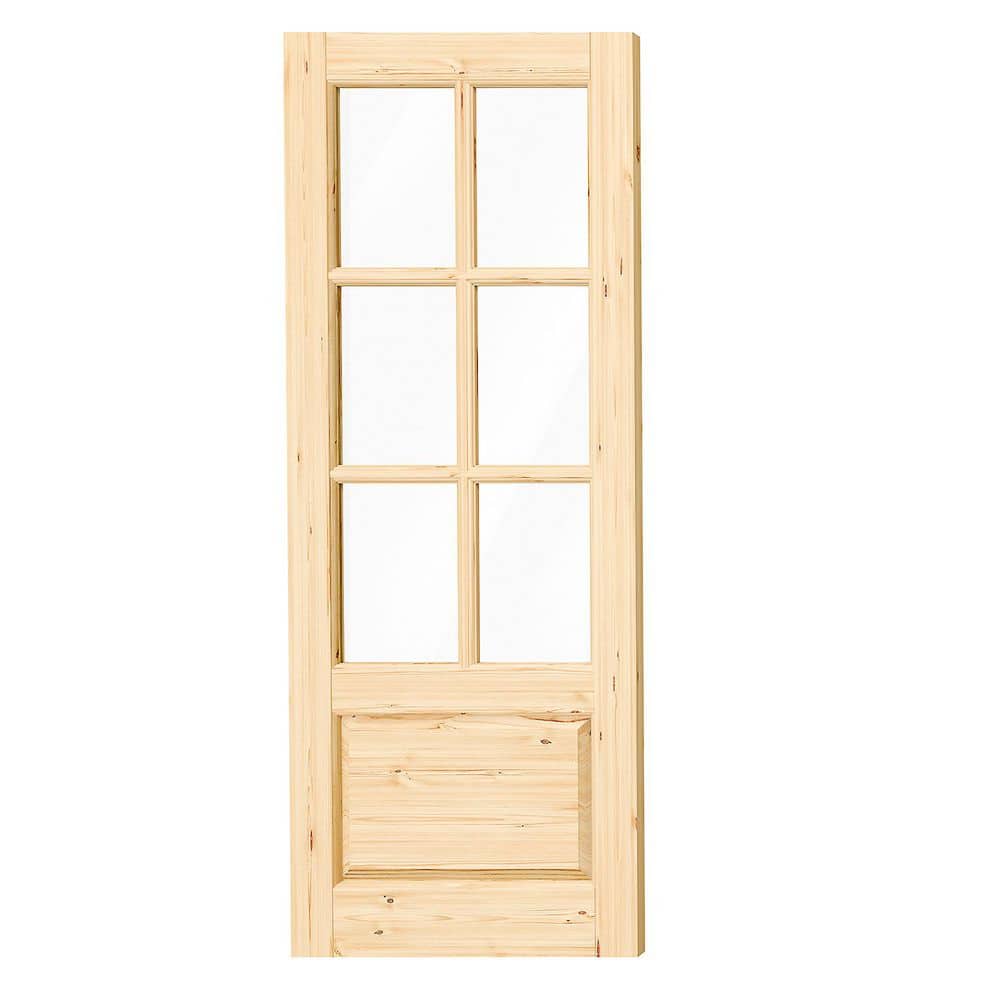
A wood front door should suit both your entrance and the way you use it. TENONER’s pine wood collection includes options for a main entry, openings that connect indoor and outdoor spaces, and entrances where ventilation matters.
These doors are designed for exterior use. Choose the appropriate door type first, then compare dimensions, glass or screen options, and installation requirements. Pine also needs a protective finish: after installation, we recommend a suitable moisture-resistant exterior primer and finish system, or an exterior wood sealer, to help protect the wood and extend its service life.
Choosing the Right Exterior Wood Door Style
Different exterior wood doors serve different purposes. Match the opening mechanism and panel design to your entrance before choosing a look.
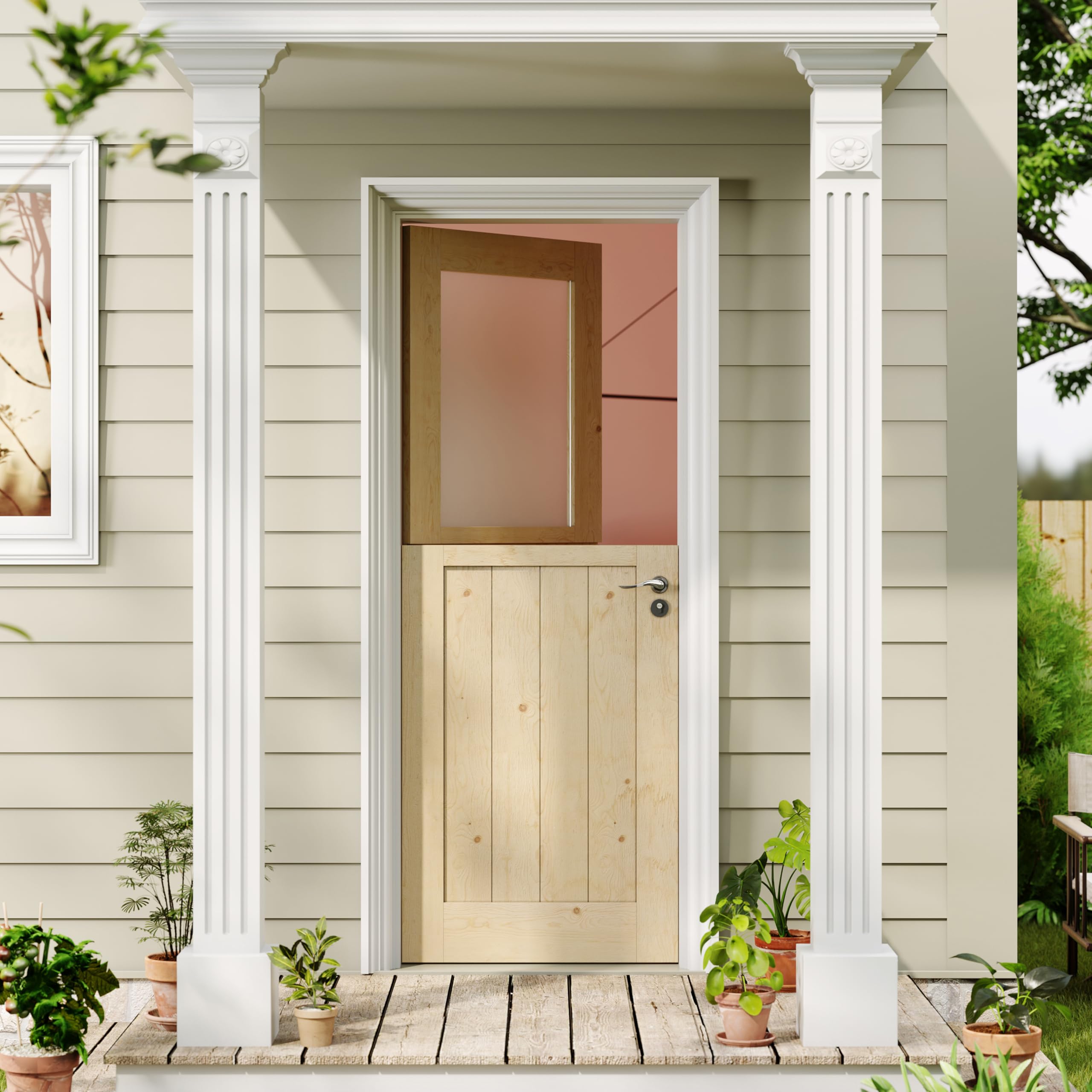
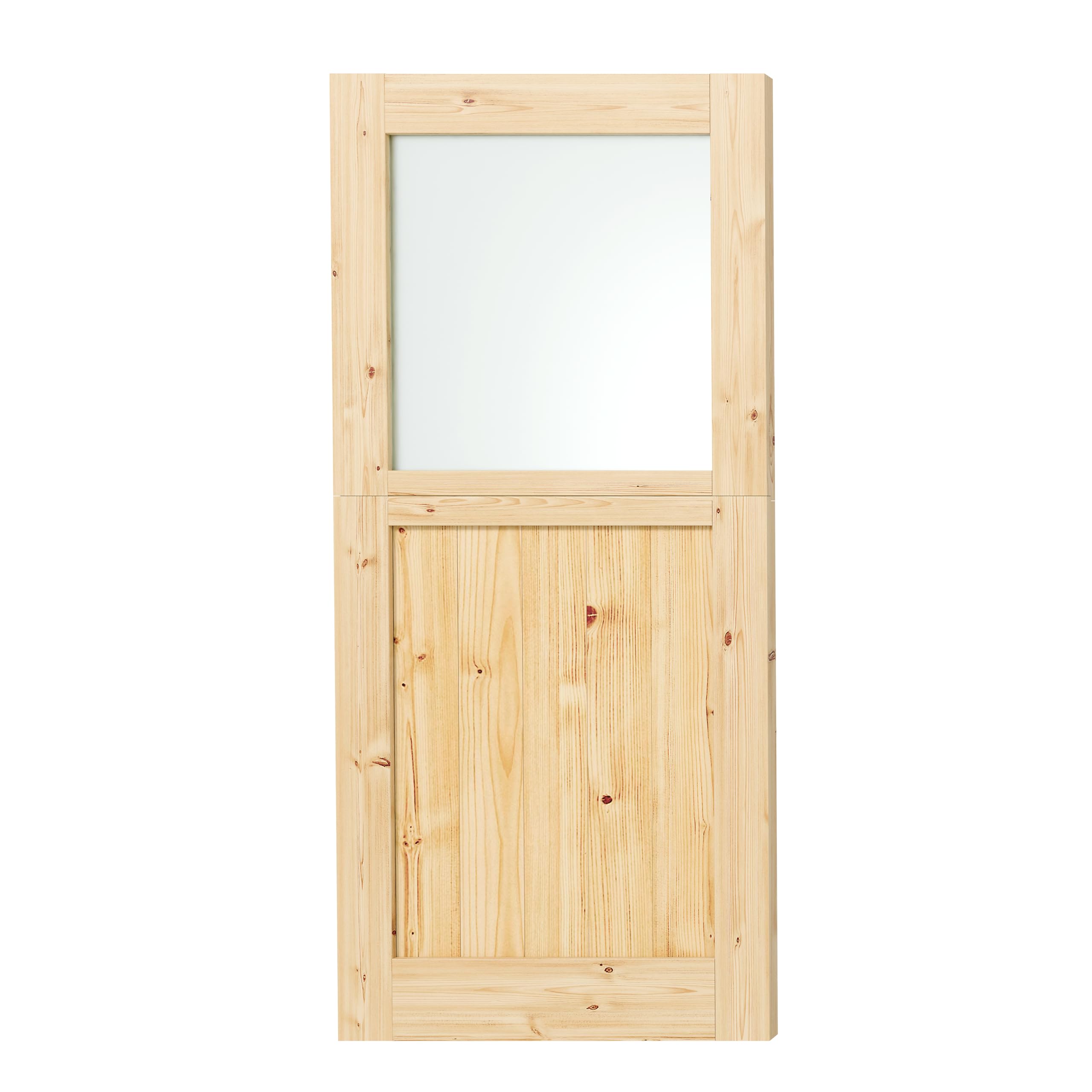
An exterior Dutch door lets you open the upper section while keeping the lower section closed. Browse our Dutch doors and select a model specifically intended for outdoor use.
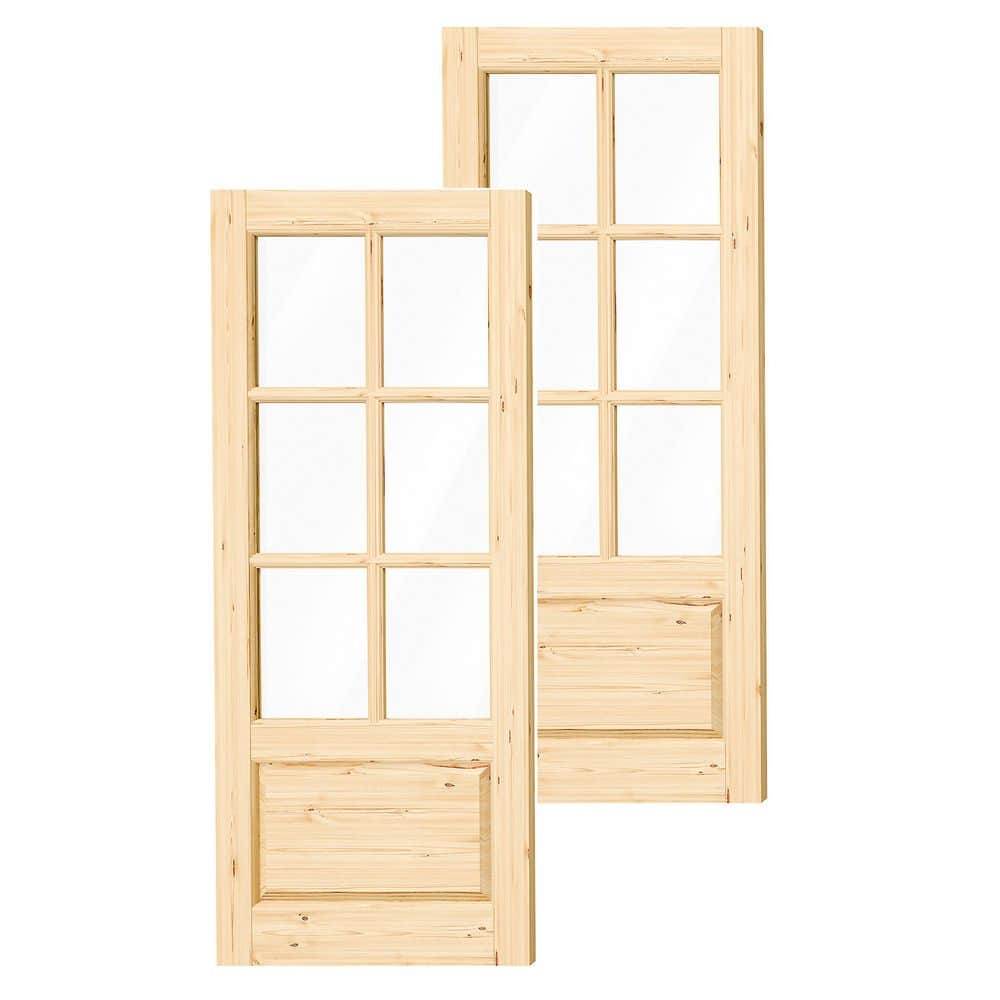
Exterior French doors offer a paired-door arrangement and glass options for entrances where light and access are priorities. Our French doors collection includes both interior and exterior models, so confirm the intended use before ordering.
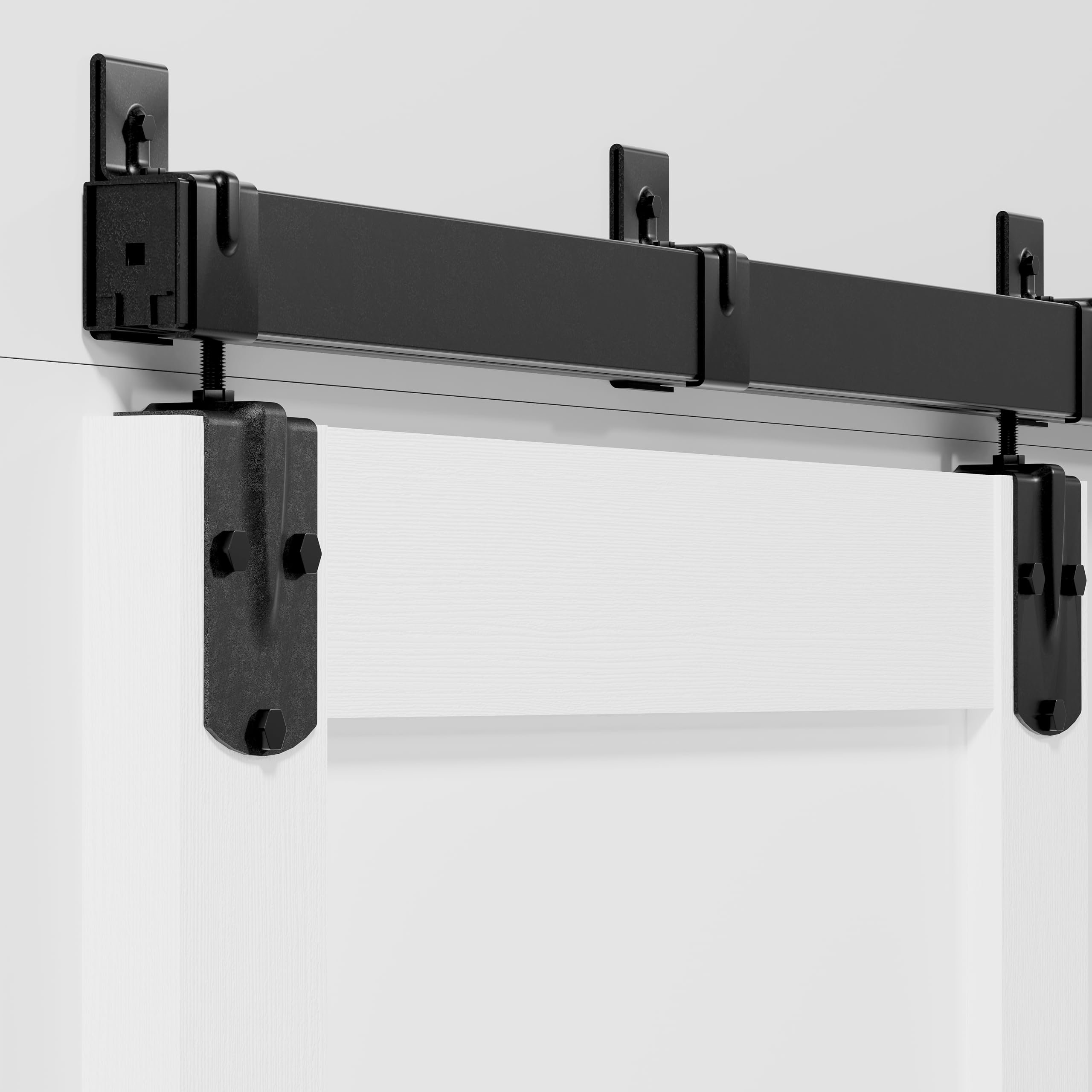
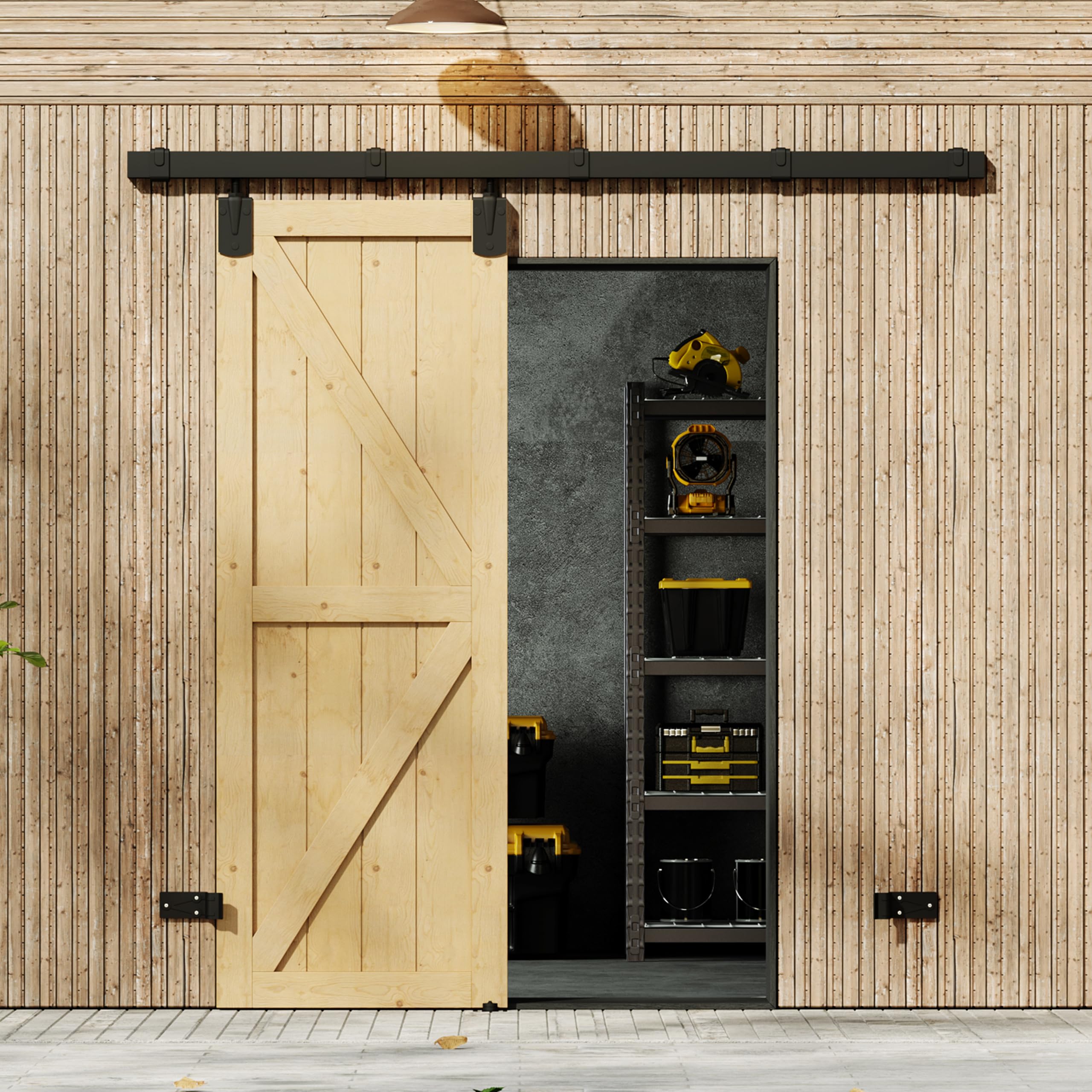
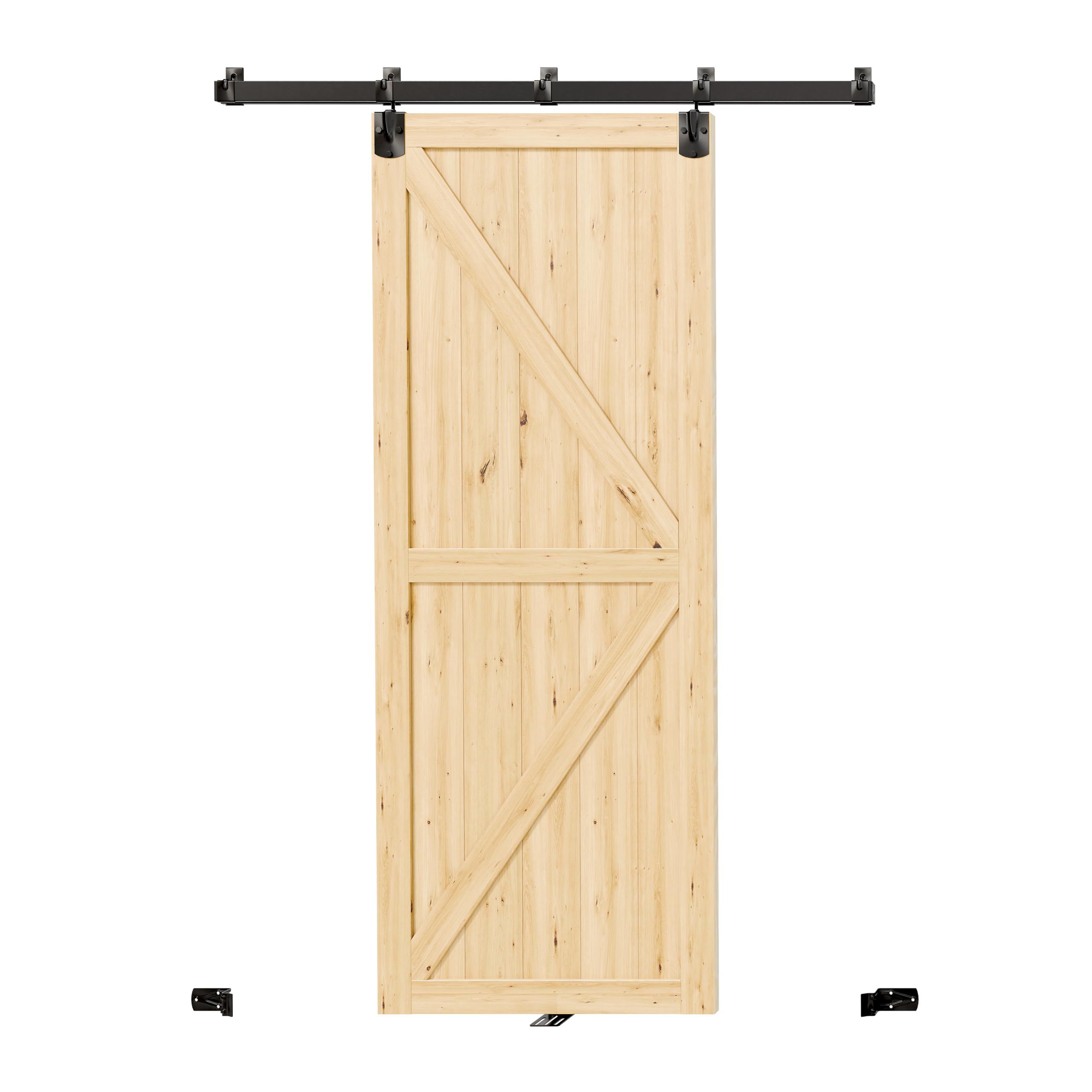
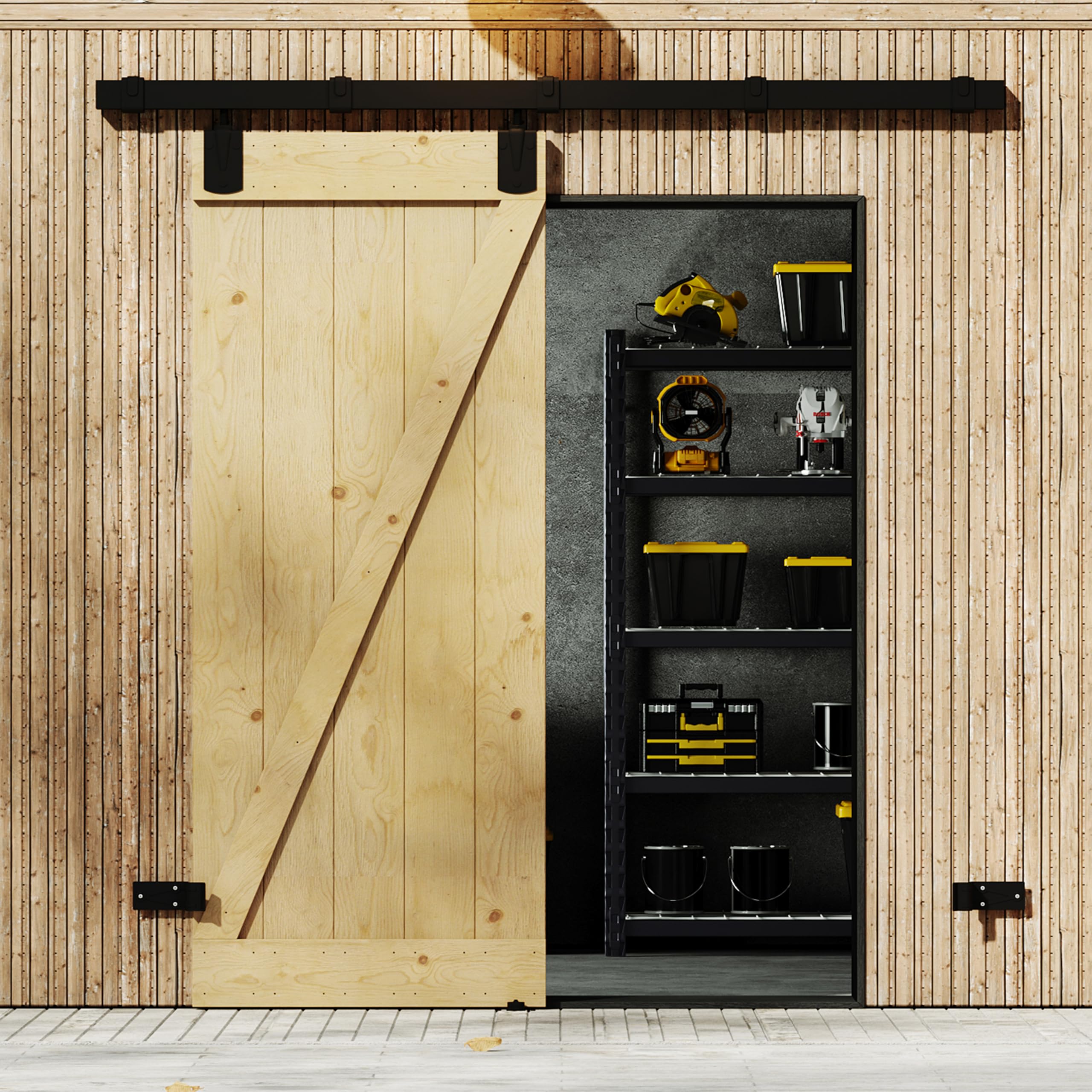
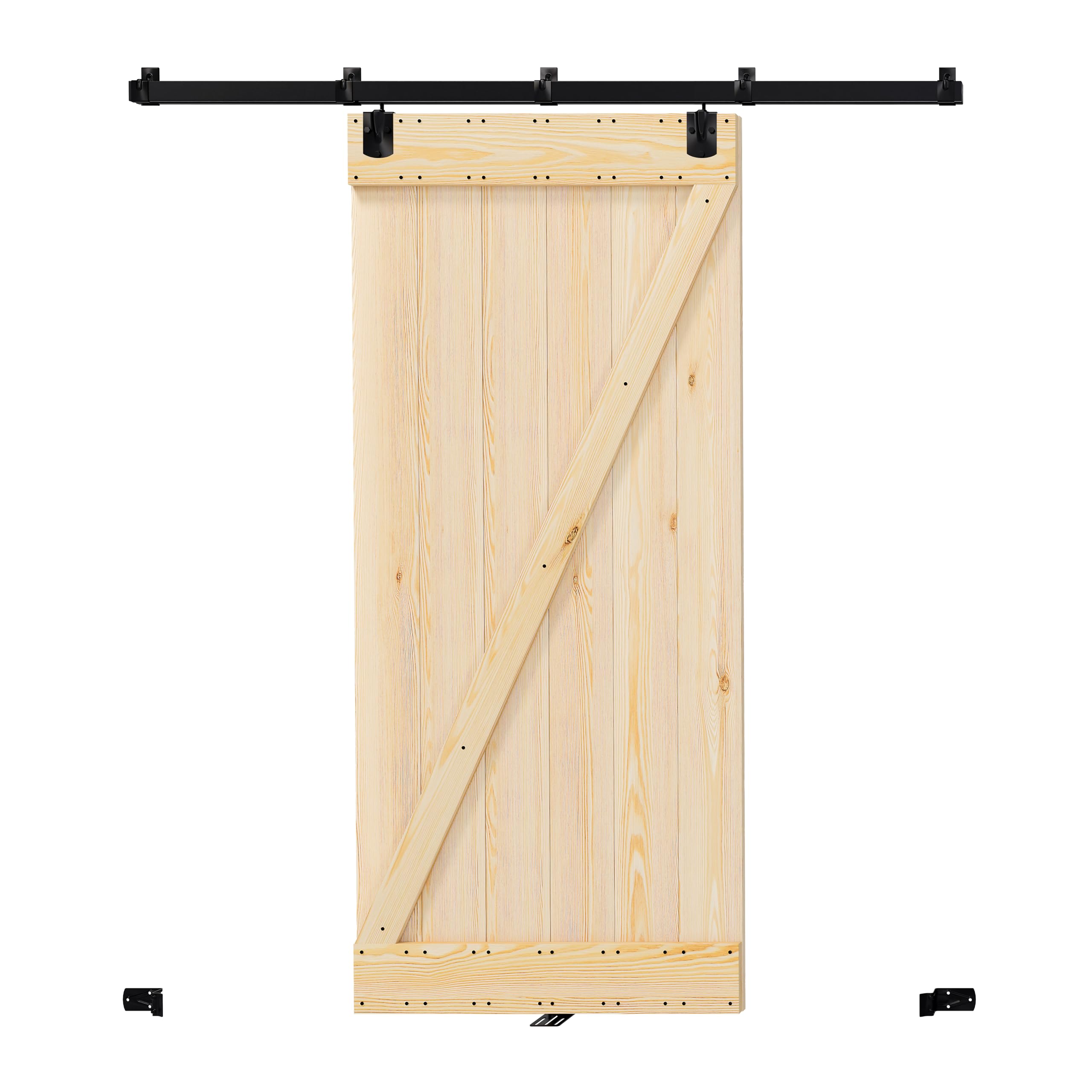
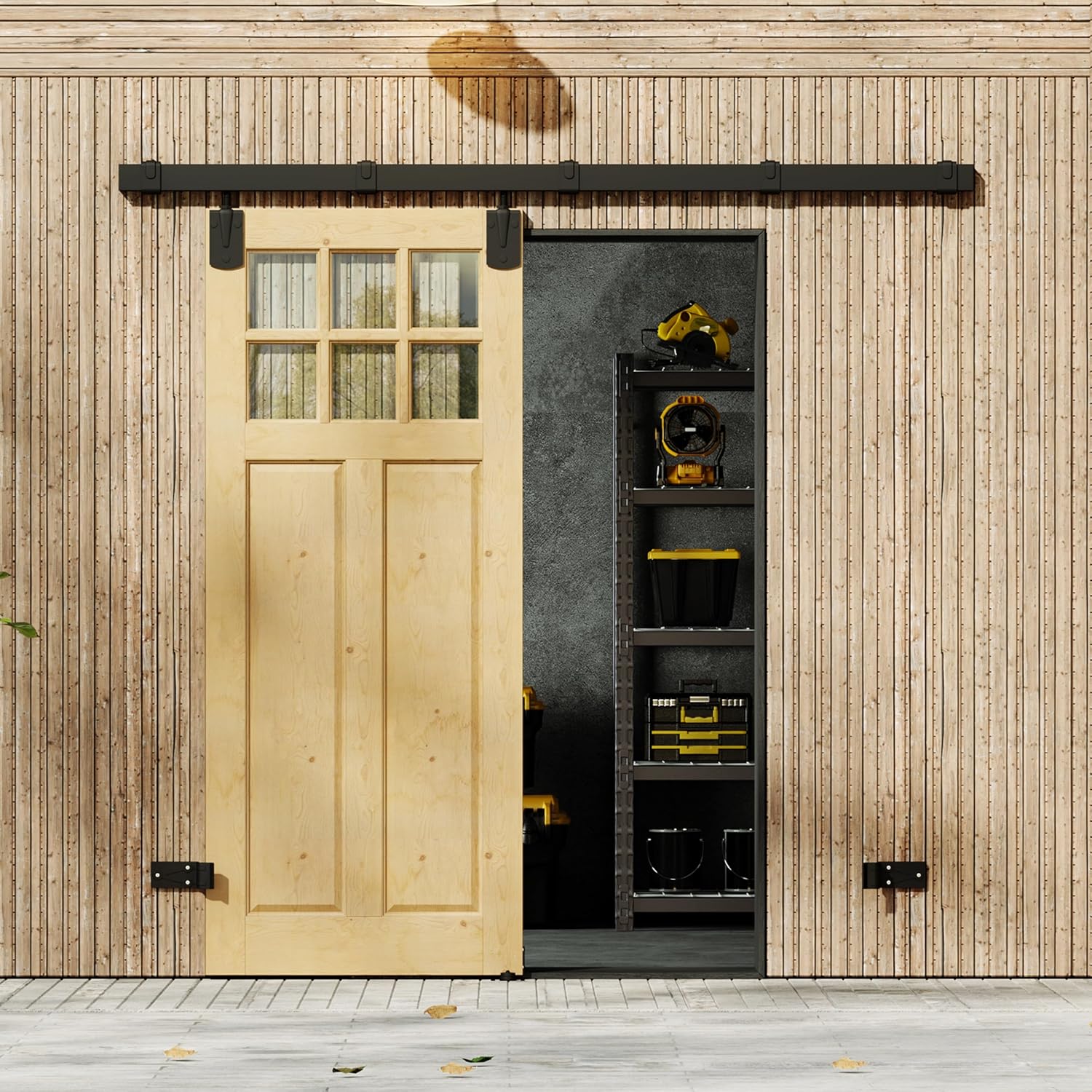
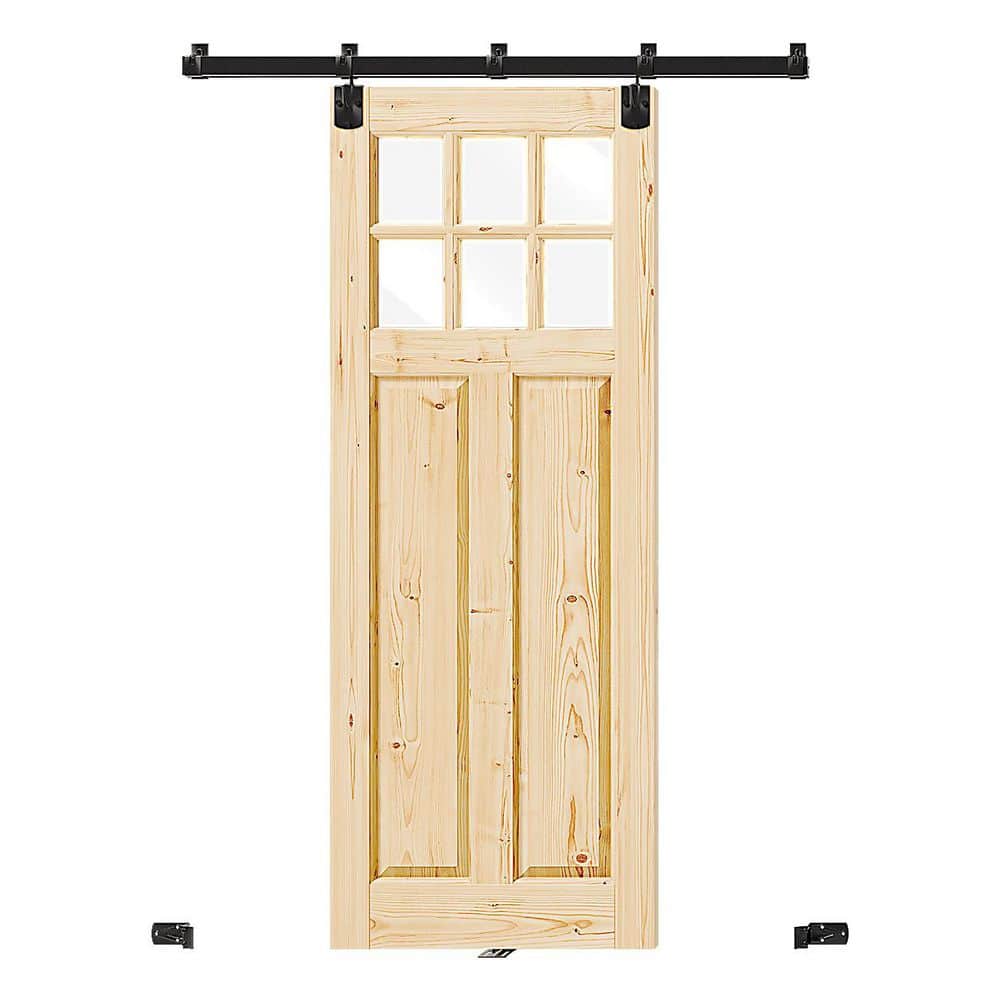
Exterior barn doors slide along a wall rather than swinging into the space. They require suitable track support and enough clear wall space for the door to open. Check the selected system’s closure and weather-sealing details for your application.
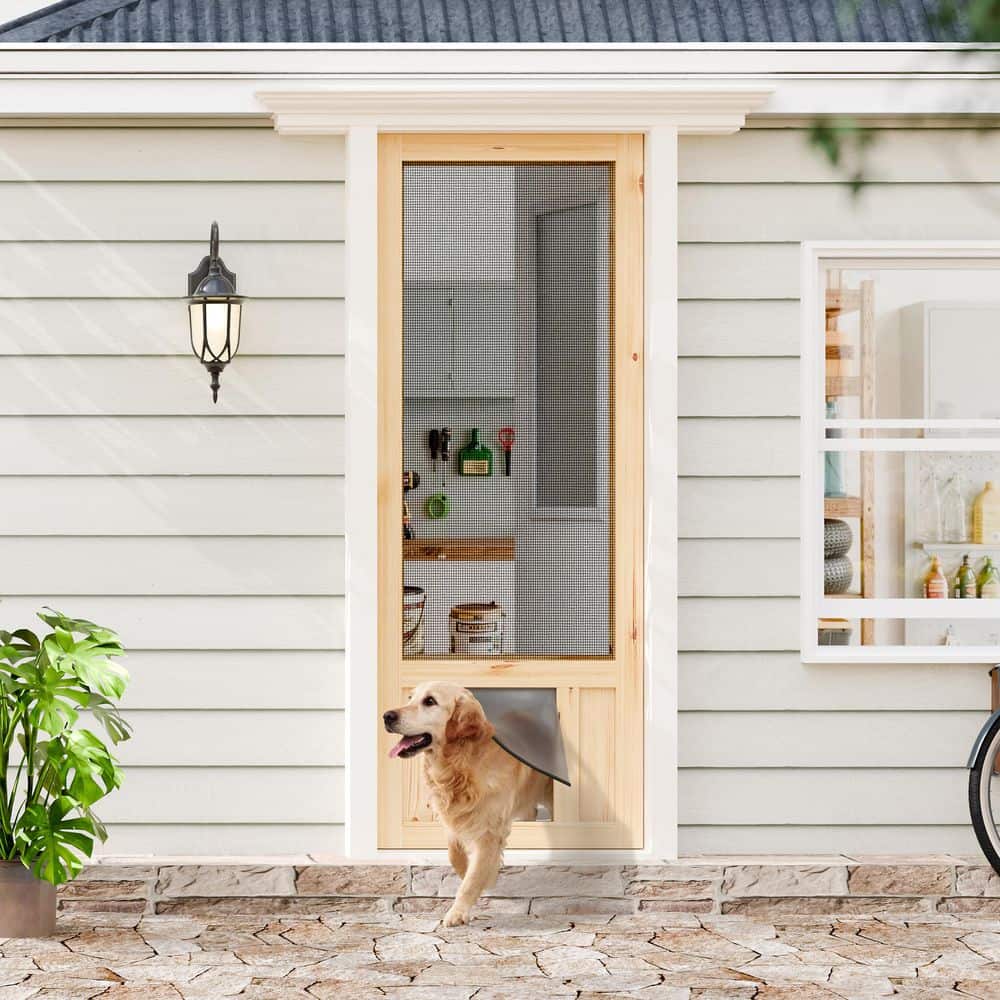
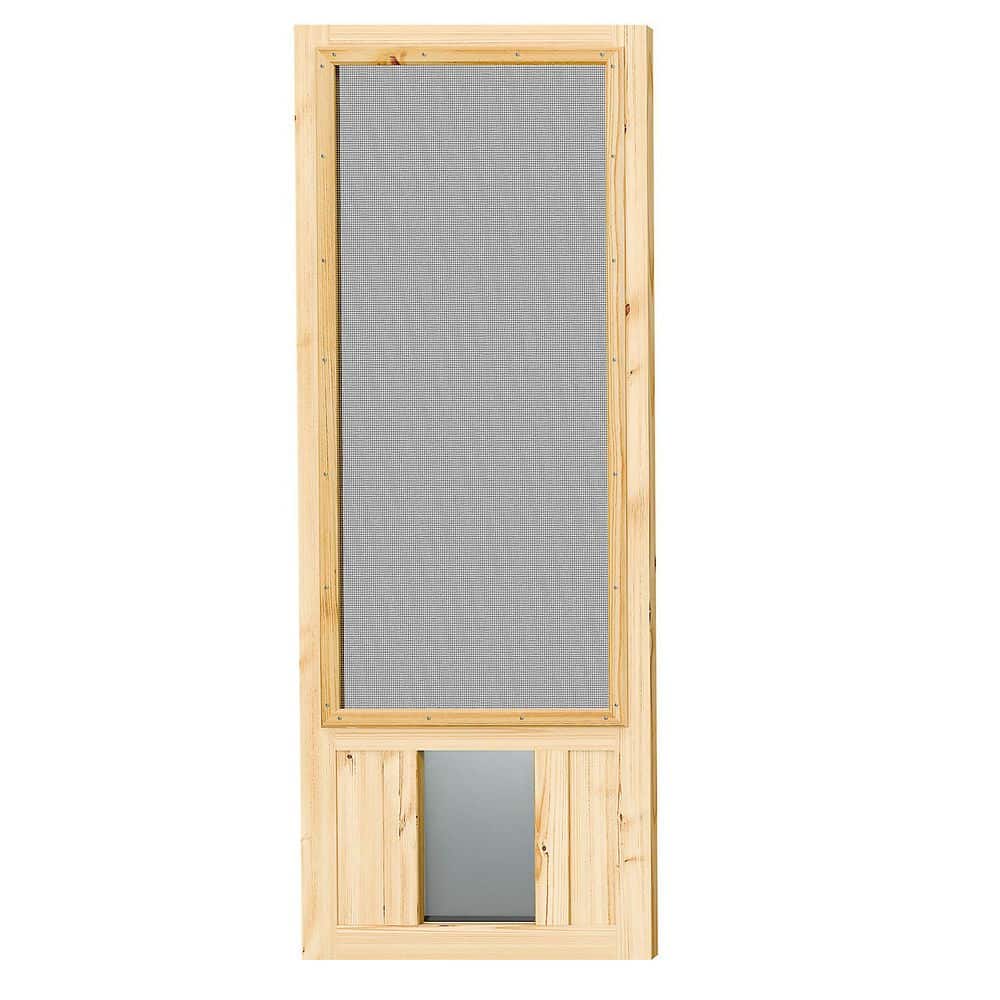
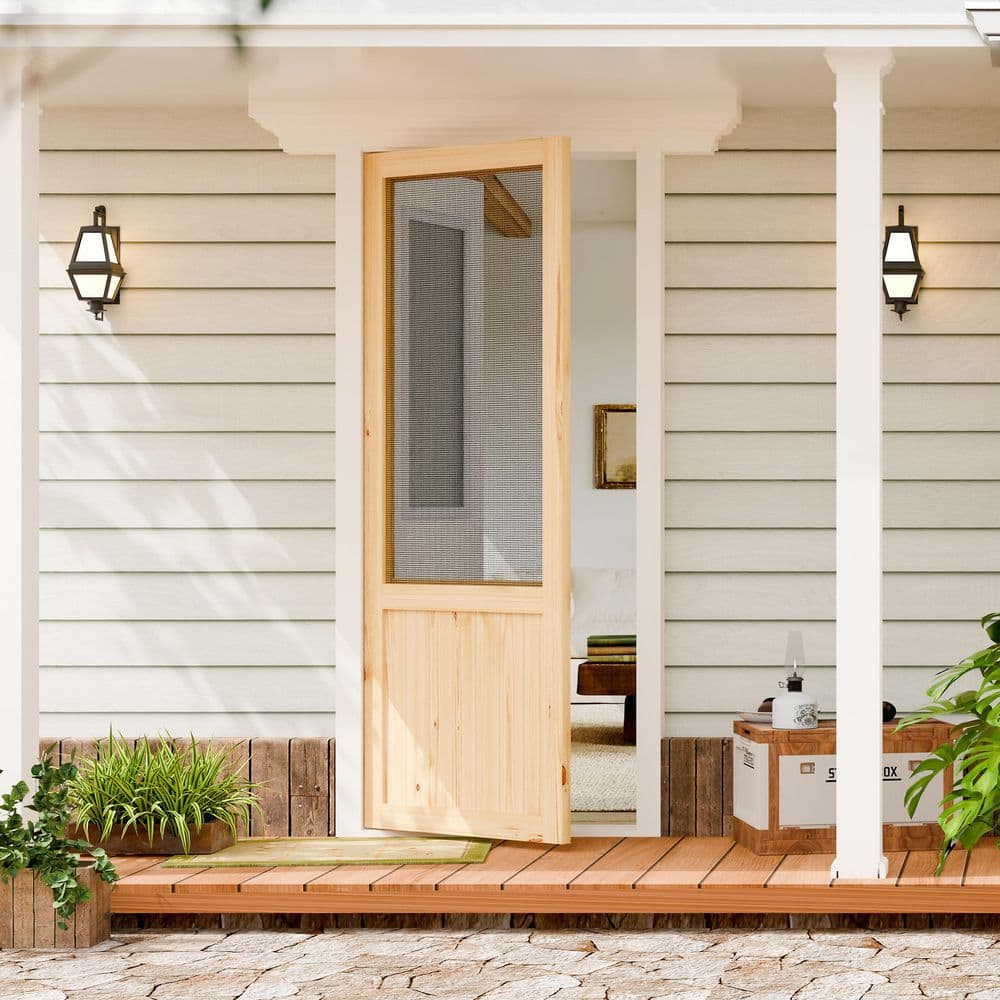
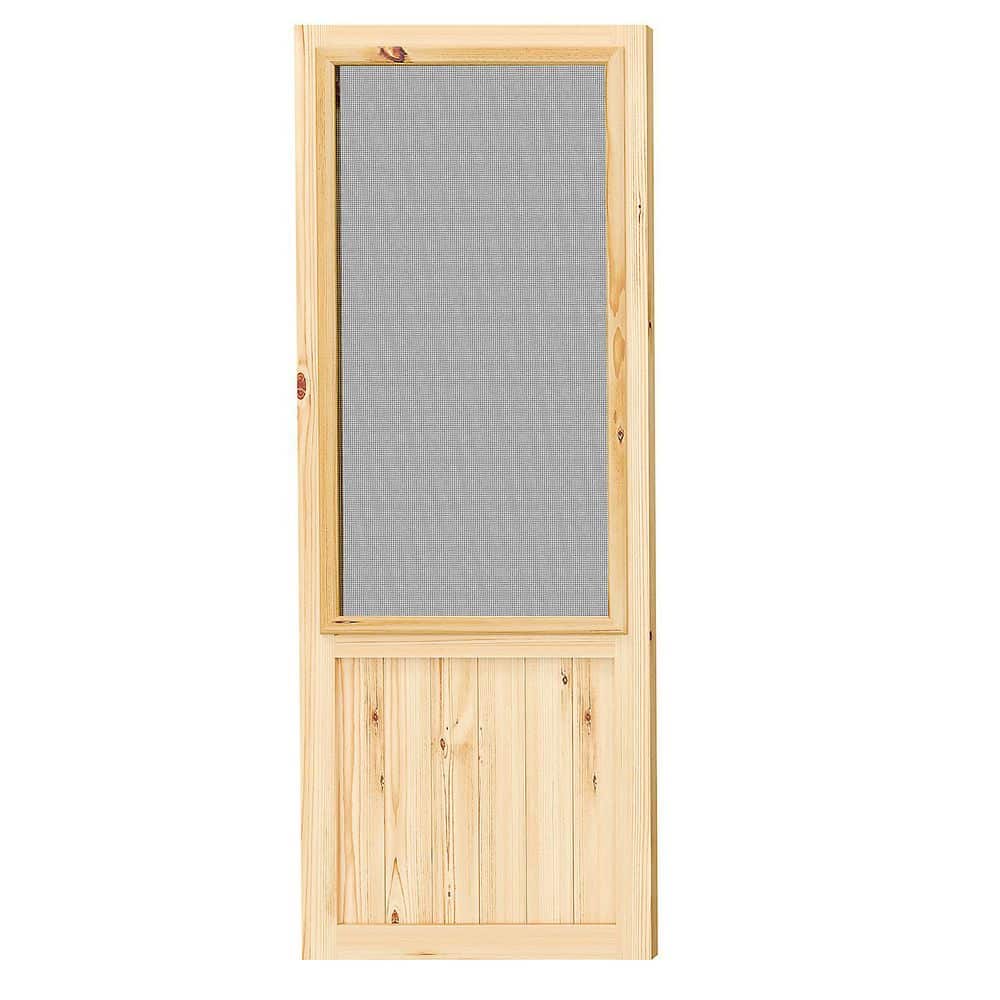
Screen doors prioritize airflow and insect screening. They serve a different purpose from a closed entry door and should not be selected as a substitute for a weather-sealed main entrance.
Glass, Screens, and Privacy
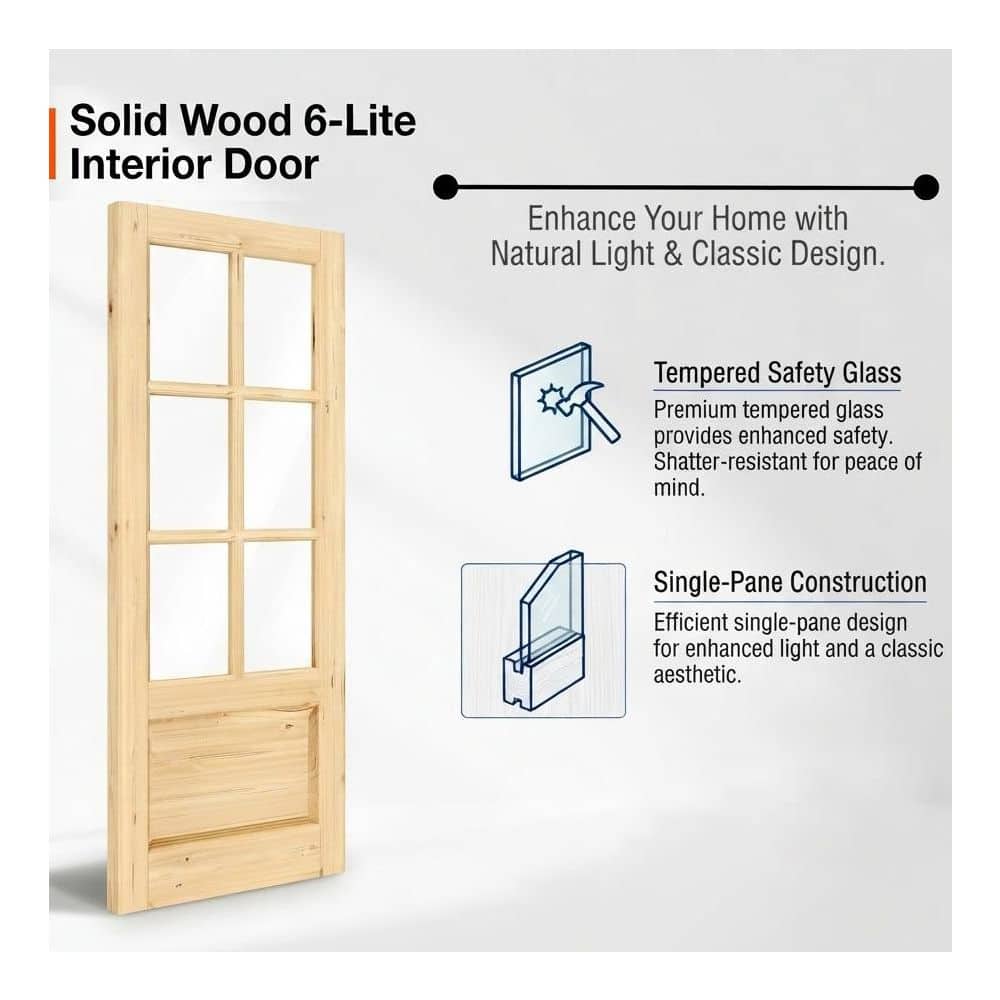
When comparing wooden front doors, consider what people can see from outside as well as how much light you want indoors. Clear glass keeps the view open, while frosted glass can reduce visibility. The degree of privacy depends on the glass, lighting, and distance from the door.
A screen section provides ventilation rather than the same enclosure as a glass or solid panel. For a main entrance, start with our front doors and compare the specific glazing, locking, and installation options available.
Protecting Pine Wood Front Doors from Moisture
Pine is a natural wood that responds to changes in moisture. A protective coating helps limit moisture absorption, but it does not make a wooden outside door maintenance-free.
After installation, apply a compatible exterior protective finish according to the door and coating instructions. If you use an exterior primer, follow its instructions for the required topcoat; primer is not always intended to remain exposed as the final finish. If you prefer a visible wood appearance, choose an exterior wood sealer suitable for that purpose.
Plan the finishing work with your installer so the top, bottom, edges, and any exposed cut areas receive the protection required by the product instructions.
Choosing the Correct Wood Front Door Size and Installation Option
Measure for the selected door system rather than relying on the size of your existing door alone. A hinged entry door, a pair of French doors, and a sliding barn door have different installation requirements.
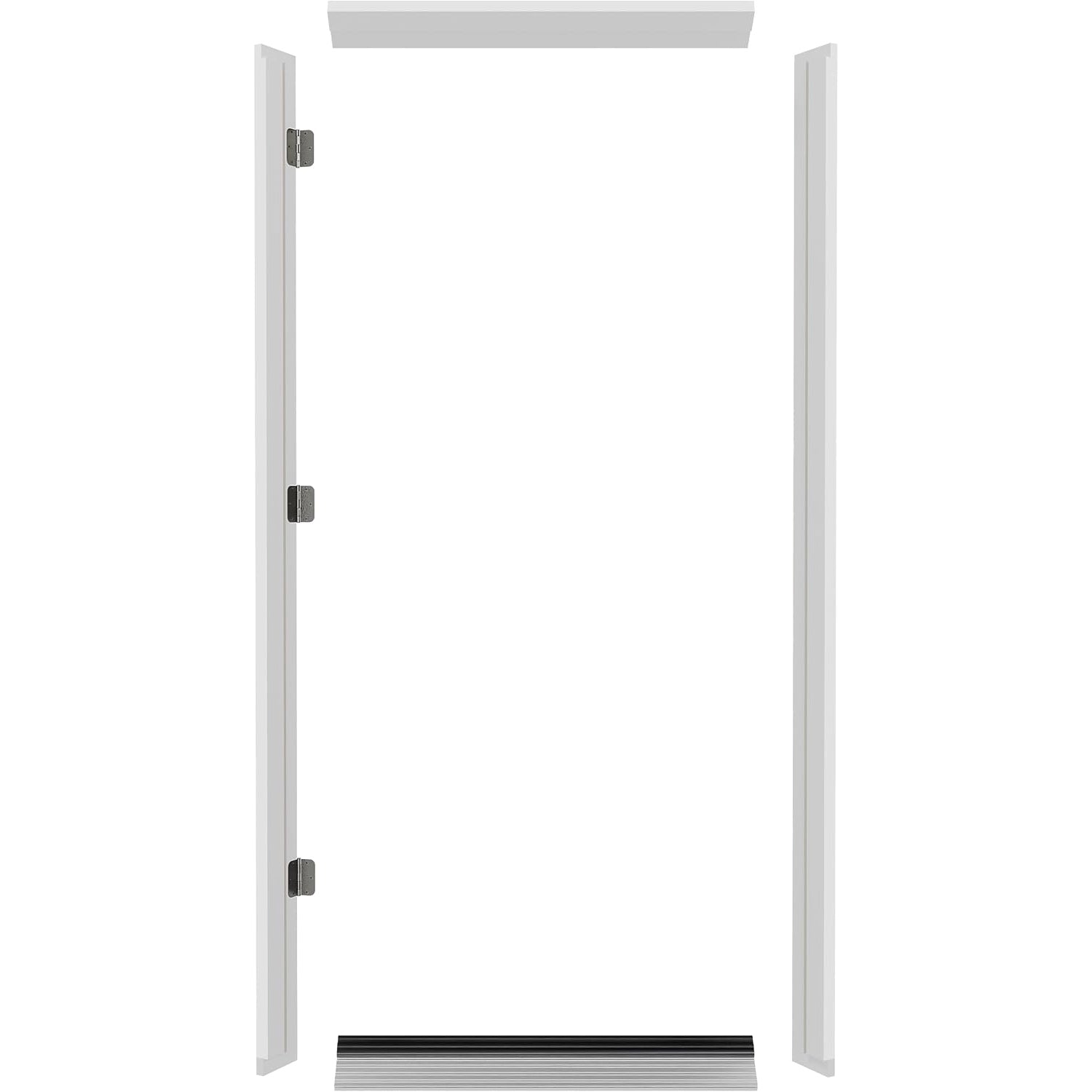
For a hinged door, confirm the slab dimensions, frame requirements, swing clearance, and hardware preparation. For a double-door opening, check the total assembly width. For a barn door, confirm the required overlap, track length, and wall clearance.
Check the product listing for the frame, hinges, handles, locks, and track components included with your chosen option.
Are These Wood Doors Designed for Outdoor Use?
Yes. The pine doors in this collection are designed for exterior use. However, each style has a different function: an entry door, exterior barn door, Dutch door, and screen door are not interchangeable.
Select the model intended for your opening and follow its installation and finishing requirements. You can also browse our full exterior doors collection to compare the available types.
Do I Need to Seal My Pine Wood Front Door?
We recommend adding appropriate exterior moisture protection after installation to help protect the pine and extend its service life.
Use a compatible exterior wood sealer or an exterior primer followed by any required topcoat. Follow the selected coating’s preparation, coverage, and drying instructions, including treatment of exposed edges.
Can I Paint These Wooden Front Doors?
Yes. Pine can be painted to coordinate with your trim, siding, or other exterior details. Pine entry doors can be painted directly; however, if the door comes with a white primer, you may need to sand the surface to ensure proper paint adhesion before applying your desired color. The preparation depends on whether the selected door is unfinished, primed, or already coated.
Make sure the surface is clean and dry. If it is smooth or glossy, prepare it as directed by the coating manufacturer to improve adhesion. Use a compatible exterior paint system and allow it to cure before normal use.
Are Solid Wood Front Doors Always Solid Panels Without Glass?
No. “Solid wood” describes the wood construction; it does not necessarily mean the door has no glass or screen sections.
When comparing solid wood front doors, check both the construction and the panel design. Choose the amount of glass or screening according to your needs for light, visibility, ventilation, and enclosure.
Can an Exterior Barn Door Replace a Hinged Front Door?
Not automatically. A sliding barn door uses a different mounting and closing system, so the frame, weather sealing, and locking arrangement need to suit the entrance.
Do not assume that exterior-rated wood alone makes every sliding configuration appropriate for a main entry. Confirm that the selected door and hardware system meet the requirements of your intended installation.
How Do I Maintain Exterior Wood Doors?
Keep the surface clean using a method suitable for its finish, and inspect the coating regularly, especially along the bottom edge, joints, and areas exposed to rain or strong sunlight.
Address peeling, cracking, or exposed wood promptly. Recoat according to the finish manufacturer’s guidance and the door’s exposure conditions rather than following a fixed schedule for every entrance.
Can I Cut the Door?
Yes. If your door opening is slightly smaller than the door, you can trim up to 40mm off the bottom; however, cutting off more than that is not recommended.