
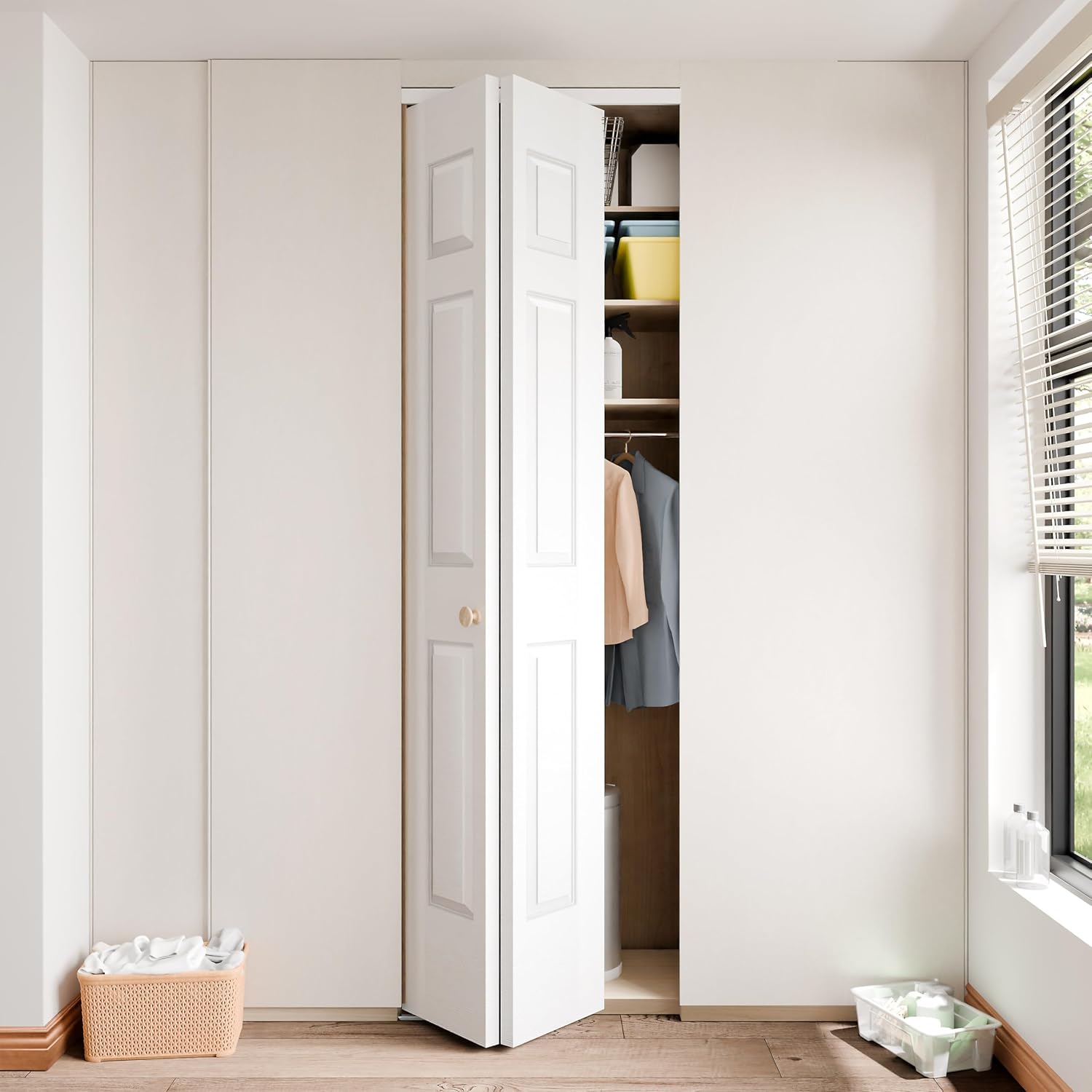
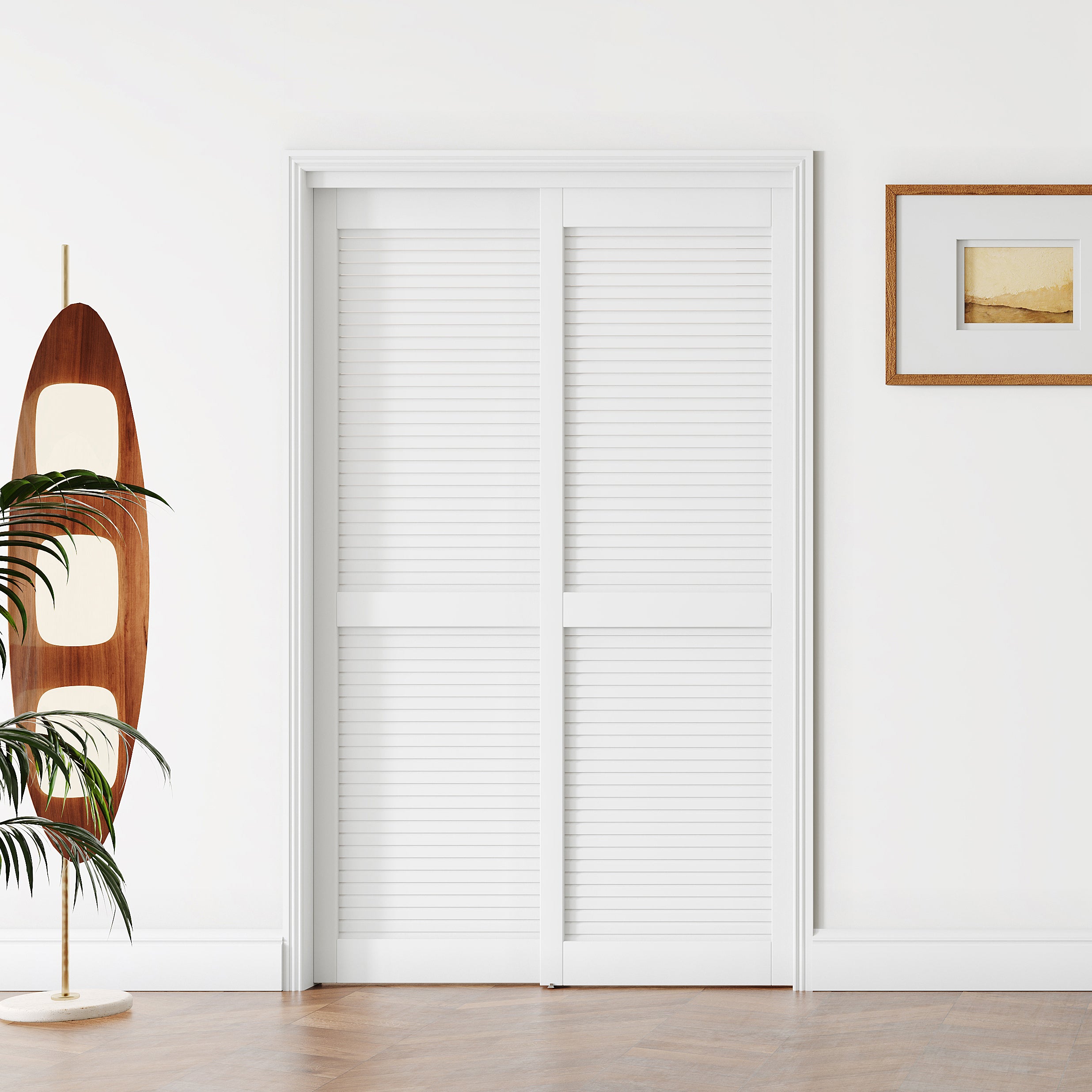
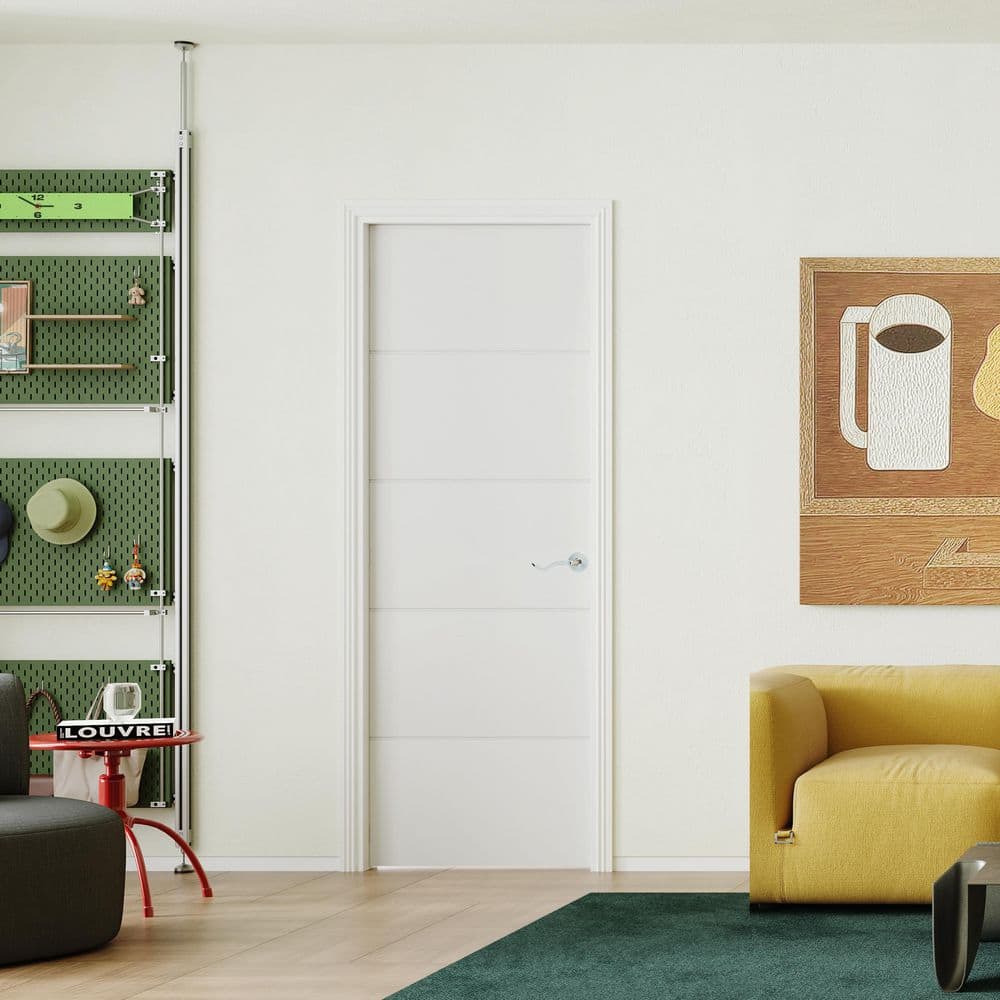
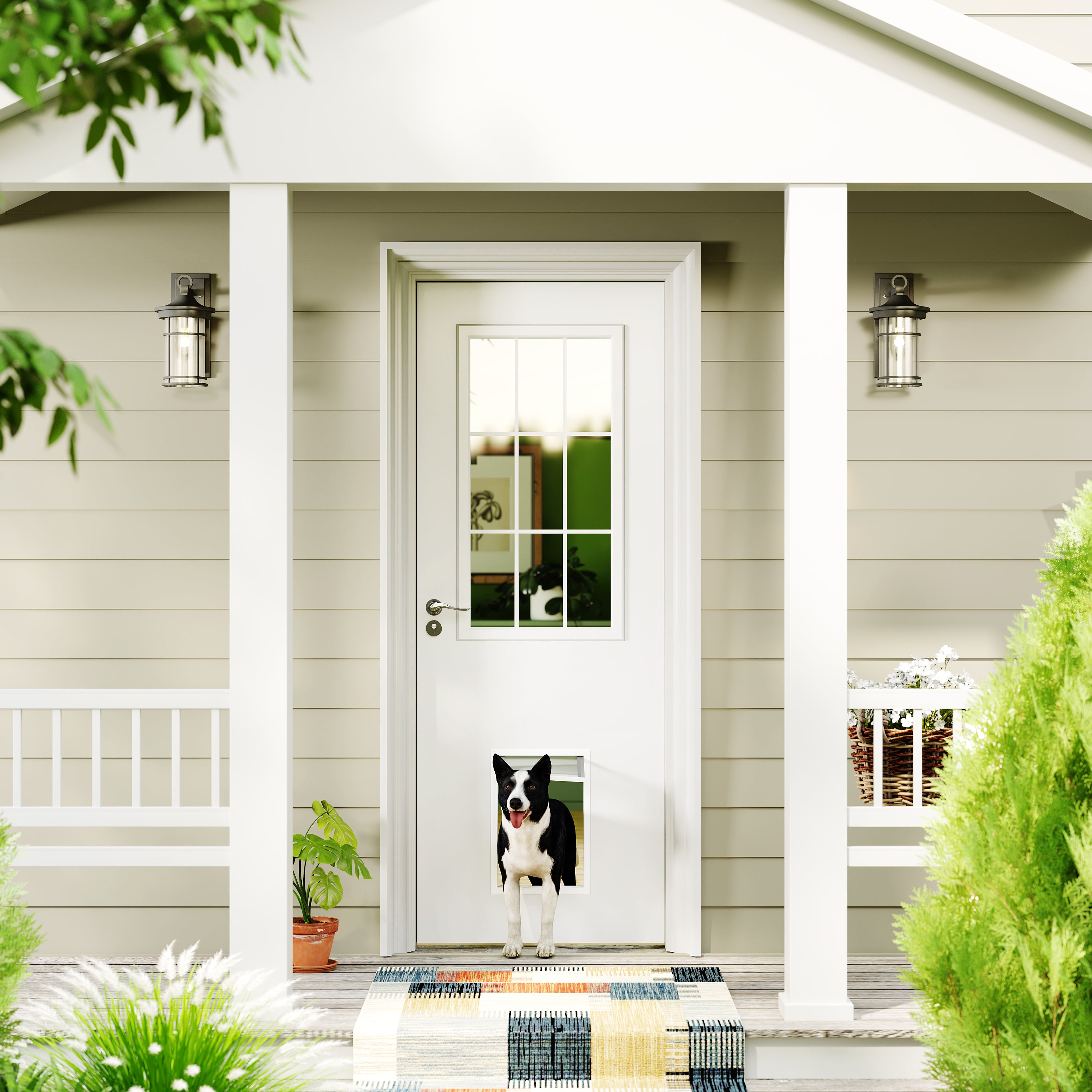
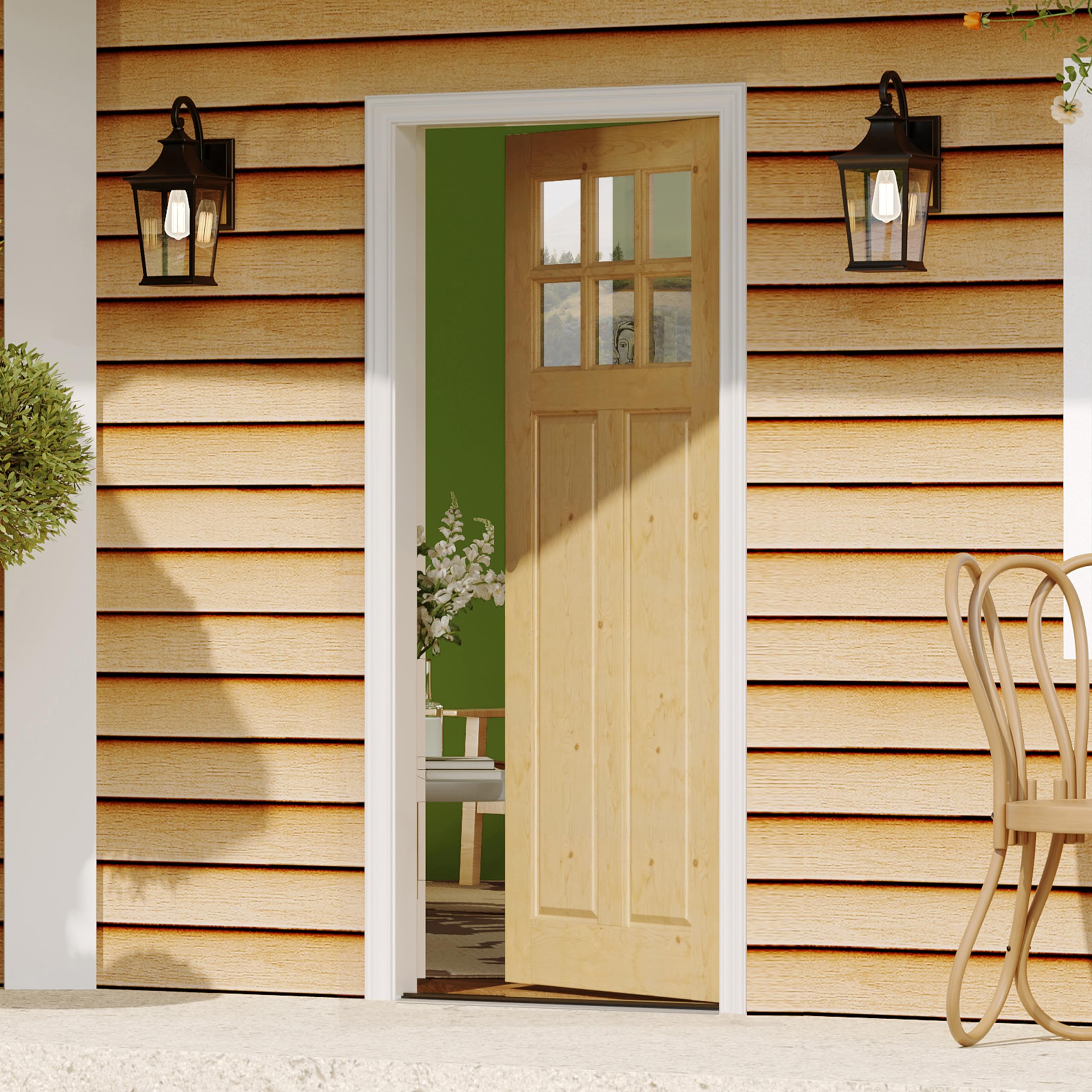
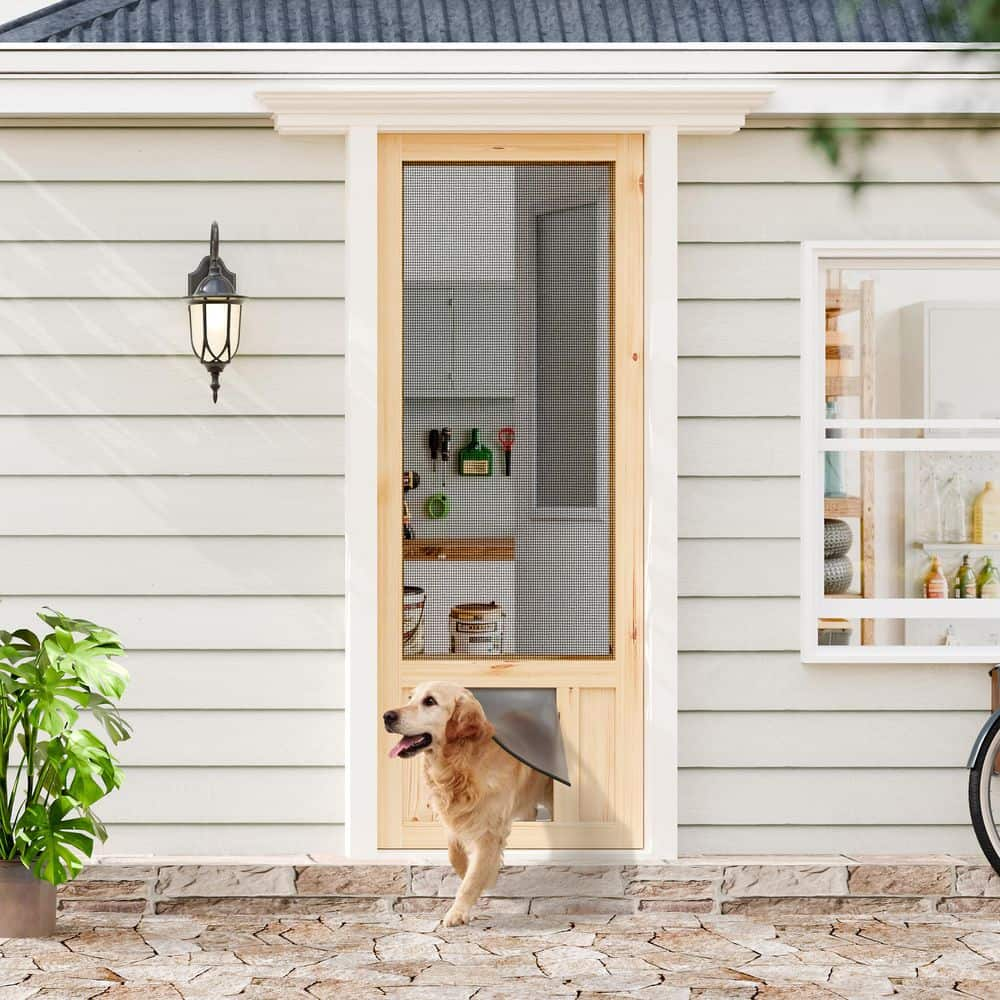

Dutch Door


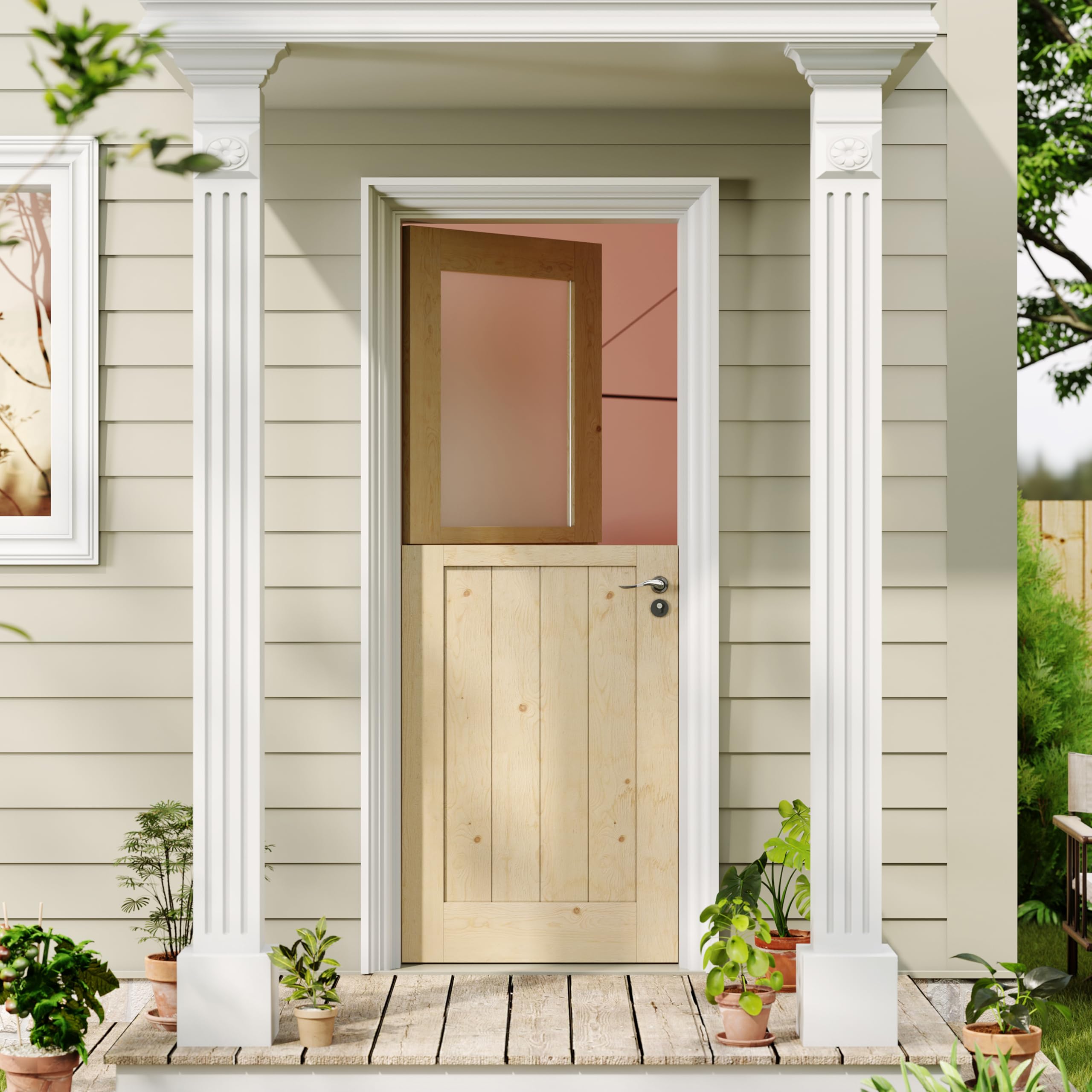
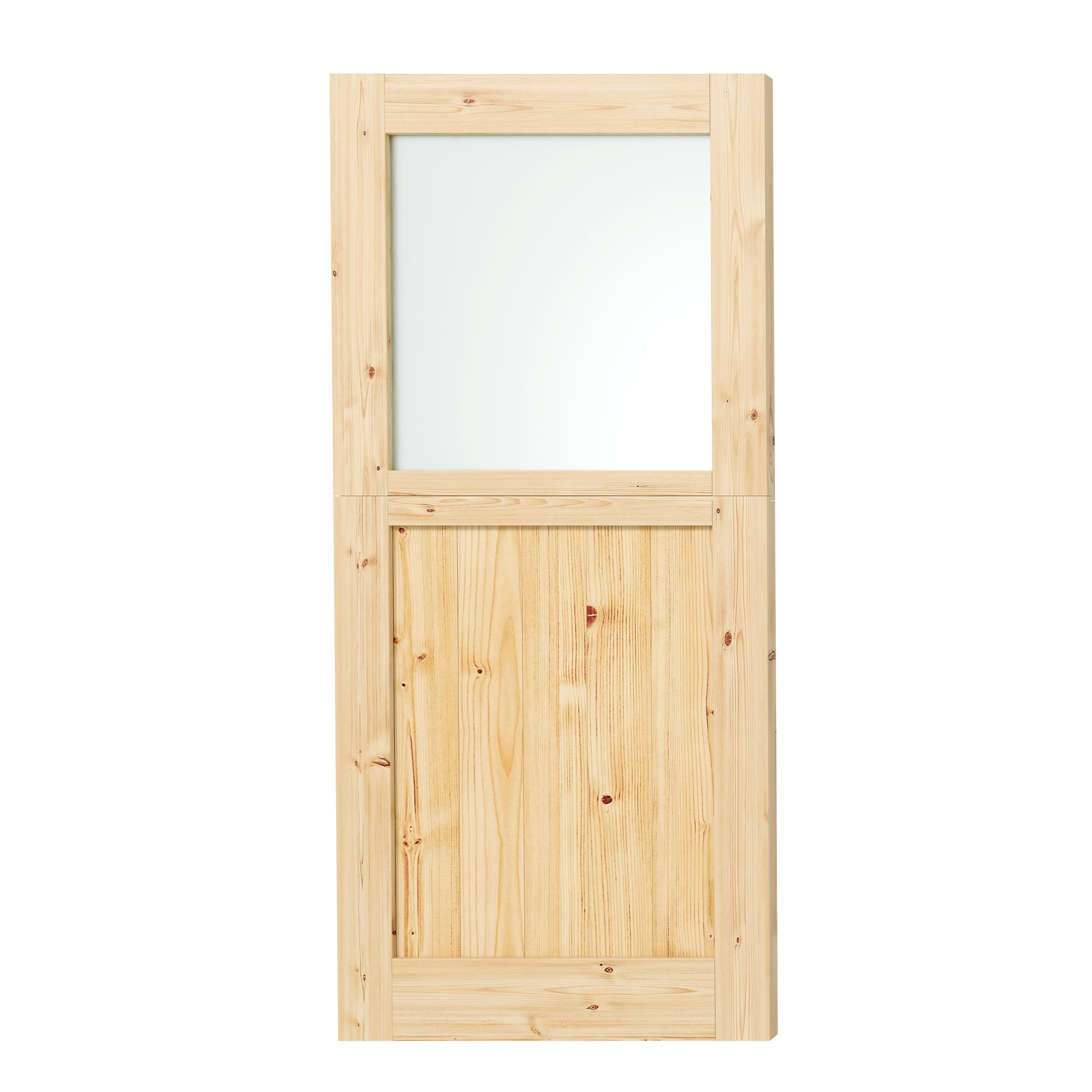
Helpful Interior Dutch Doors Information
QuestionAssembled Door, Installation Still Required
Your split door arrives assembled, so you do not need to build the door itself. It still needs to be fitted to the opening, finished as required, and installed with compatible hardware.
Before choosing a size, confirm:
Location and thickness: Select the 1.34-inch interior model or 1.73-inch exterior model for the intended opening.
Dimensions: Compare the selected product’s actual measurements with your frame and installation requirements.
Swing direction: Make sure both sections can open without hitting nearby walls, furniture, or fixtures.
Hardware and frame: Check the listing for included components and anything you need to source separately.
Finish: Allow time for your chosen paint system before the door goes into use.
If you are keeping an existing frame, have your installer check compatibility before ordering. Matching width and height alone does not confirm that the hinges, thickness, and latch positions will work.
Pine Wood, Ready for Your Choice of Paint
All Dutch doors in this collection are made from pine wood and can be painted to coordinate with your home. Match the surrounding trim for a quieter look, or choose a contrasting color to make the doorway a focal point.
We recommend waterproof paint for pine wood styles, particularly before exterior use. Follow the door’s finishing guidance and the coating manufacturer’s instructions for preparation, application, and drying. For an exterior Dutch door, choose a coating intended for outdoor exposure.
Plan the finish before booking installation so there is time for preparation and drying. If the door will face frequent rain or strong direct sunlight, confirm its suitability for that location and the required finish maintenance before purchasing.
Start with Where Your Dutch Door Will Go
Interior Dutch Door: Keep Rooms Connected
An interior Dutch door lets you open the upper half to speak with someone in the next room while keeping the lower portion closed. It can work well between a kitchen and adjoining space, at a laundry room, bedroom, or in a home office where you want a boundary without a fully closed door.
Consider what you need that boundary to do. An open upper half allows conversation and sound to travel, so it will not provide the separation of a fully closed door. The lower section may help manage a pet’s movement, depending on the animal’s size and behavior, but should not be treated as a child safety gate.
Choose an interior model for an indoor opening, and check that its 1.34-inch thickness works with your frame and planned hardware.
Exterior Dutch Door: Open the Top to the Outdoors
An exterior Dutch door lets you greet a visitor or open the upper half toward a porch or yard while leaving the bottom closed. Before choosing one, think about what is immediately outside: a sheltered porch, an exposed step, or a busy approach will affect how often you use the split opening.
Our exterior models are 1.73 inches thick. Confirm the selected model’s frame, threshold, and weatherstripping requirements before installation, including how the meeting point between the two halves is sealed.
Opening the top also opens the home to outdoor air and insects. If insect protection matters, plan a compatible screening solution.
What is the Difference Between an Interior and Exterior Dutch Door?
Both use a split design, but they are intended for different locations. Our interior Dutch doors are 1.34 inches thick, and exterior models are 1.73 inches thick. Choose the model intended for your opening rather than selecting by appearance alone.
Can I Use an Interior Dutch Door Outside If I Apply Waterproof Paint?
Do not substitute an interior model for an exterior model based on paint alone. A protective coating does not change the door’s intended application. Choose an exterior Dutch door and follow its finishing and installation requirements.
Do These Dutch Doors Require Assembly?
No. The doors arrive assembled. Finishing, fitting, and installation are still required, and you should check the product listing to confirm which frame and hardware components are included.
Can I Paint My Dutch Door?
Yes. All models in this collection are pine wood and can be painted. We recommend waterproof paint for pine wood styles. For outdoor installations, use an exterior-grade product and follow the specified preparation and drying instructions.
Can Both Halves Open Together Like a Regular Door?
Dutch doors commonly use connecting hardware to join the two halves for full-door operation. Check the selected model’s hardware details to confirm how the sections connect and whether the necessary latch is included.
Will a Dutch Door Keep My Pet in One Room?
The closed lower section may create a useful boundary, but effectiveness depends on your pet’s height, jumping ability, and behavior. Check the lower section’s dimensions before relying on it for containment. A Dutch door is not a substitute for a purpose-built child safety gate.
Is a Dutch Door the Same as a Split Door?
“Split door” is a broader descriptive term. A Dutch door is divided horizontally into upper and lower sections that can operate separately. When comparing products, check the opening design to make sure it offers the function you want.