
Filters
14 products


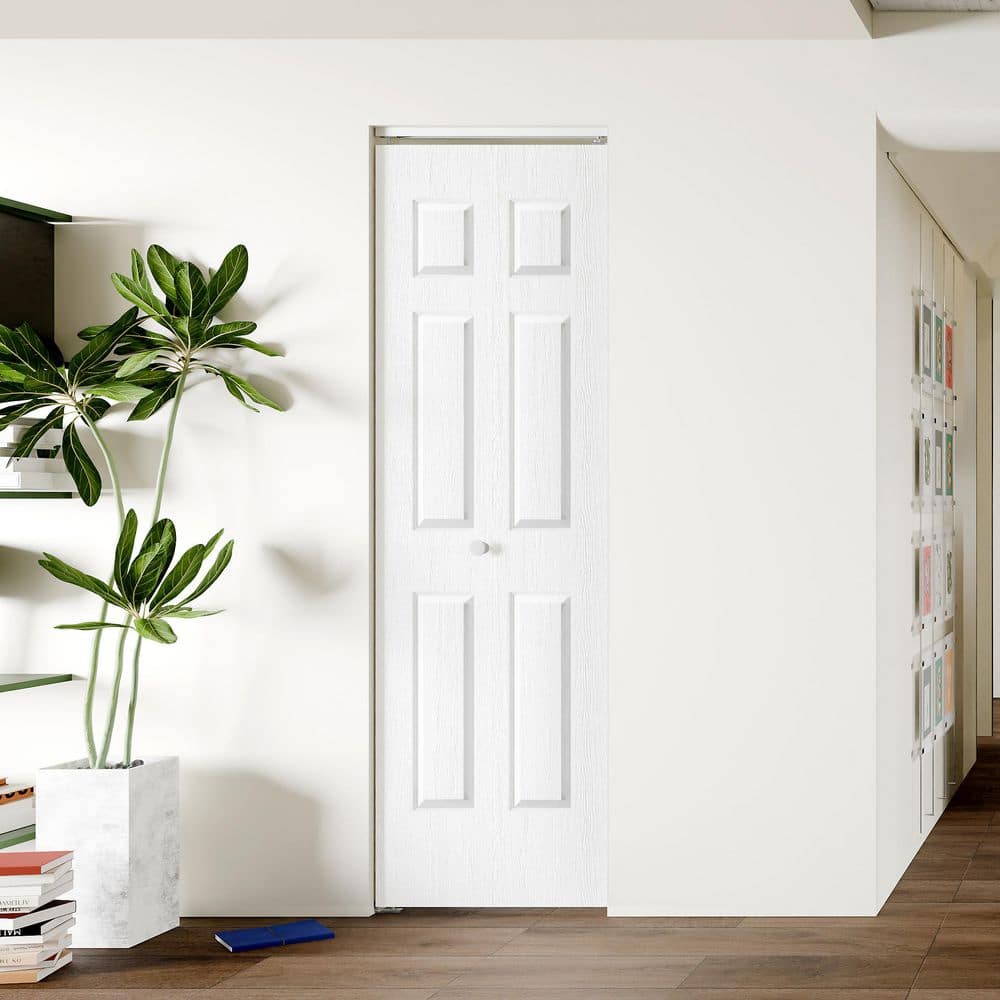
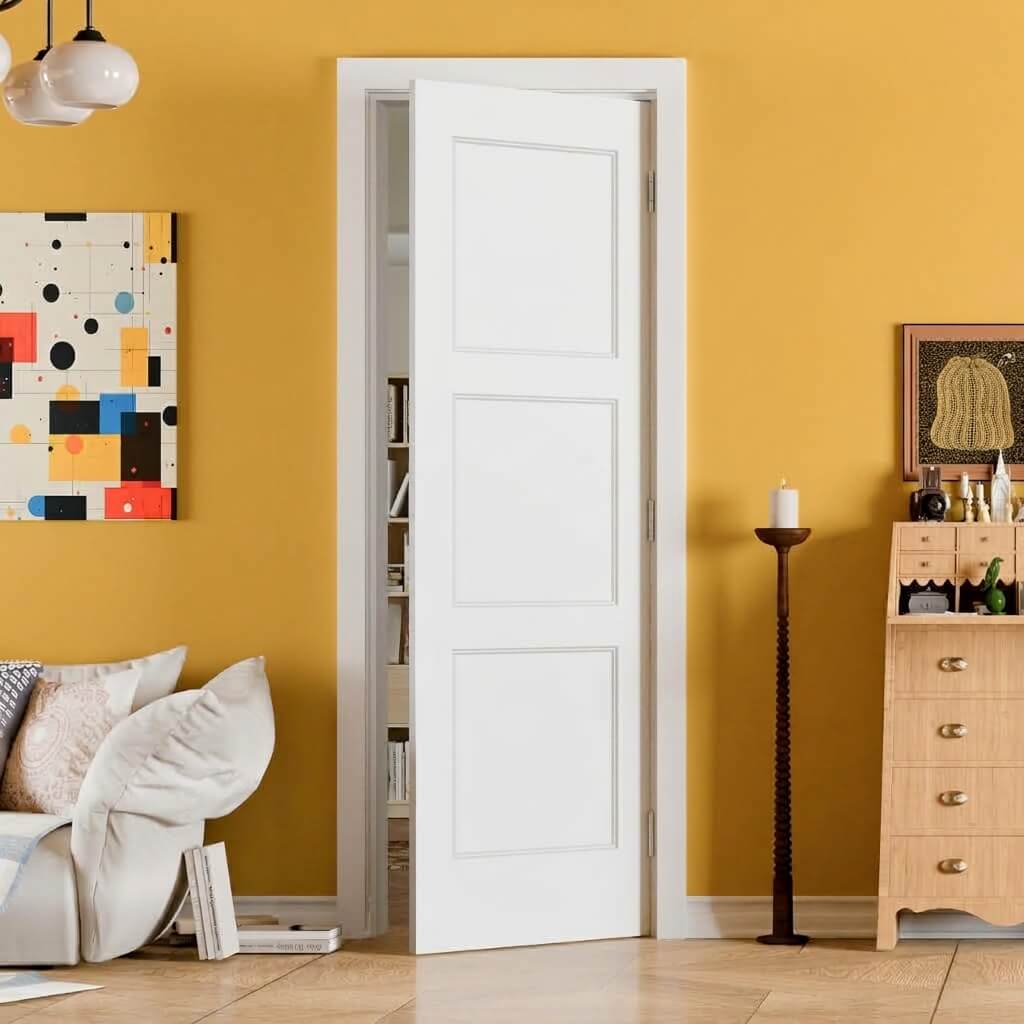
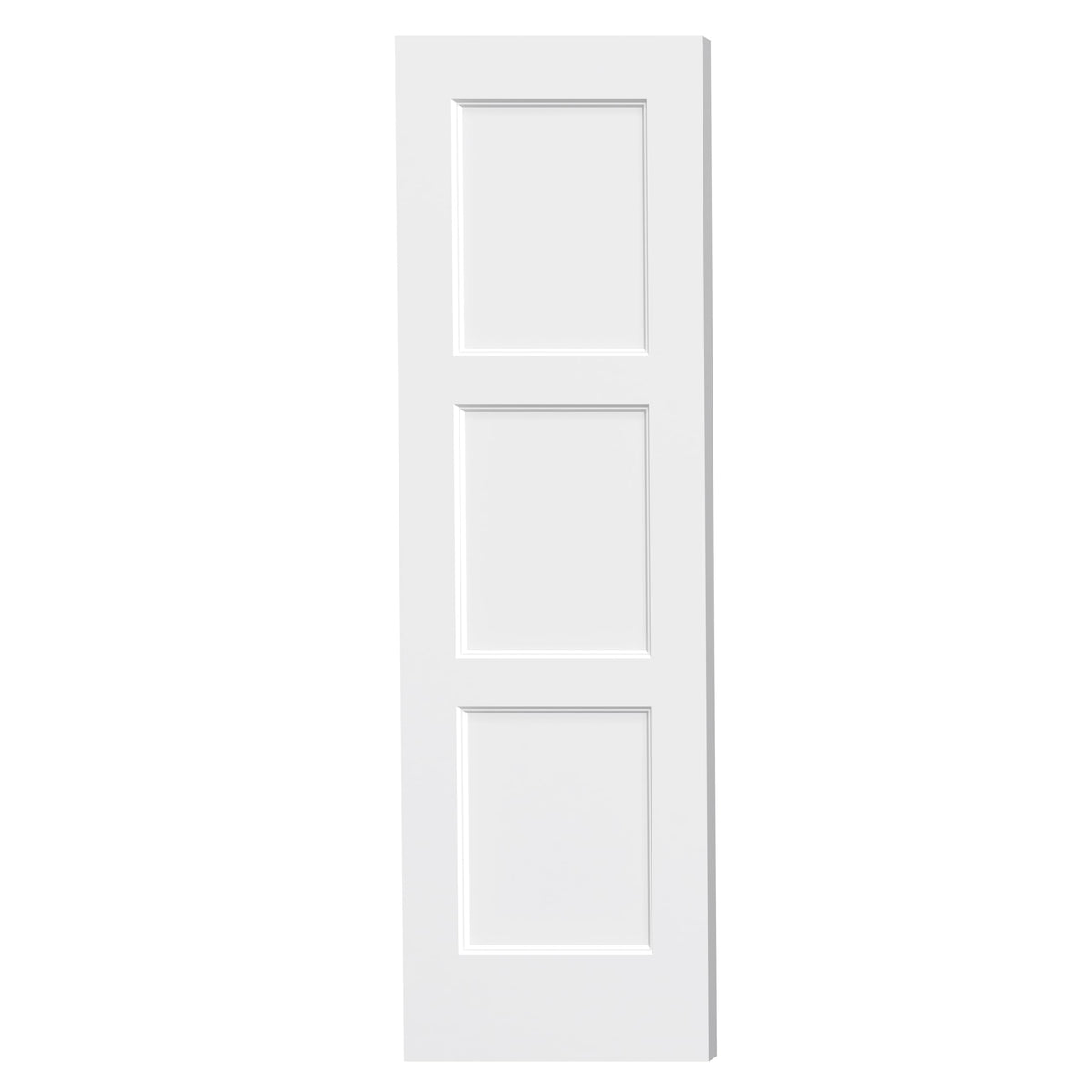


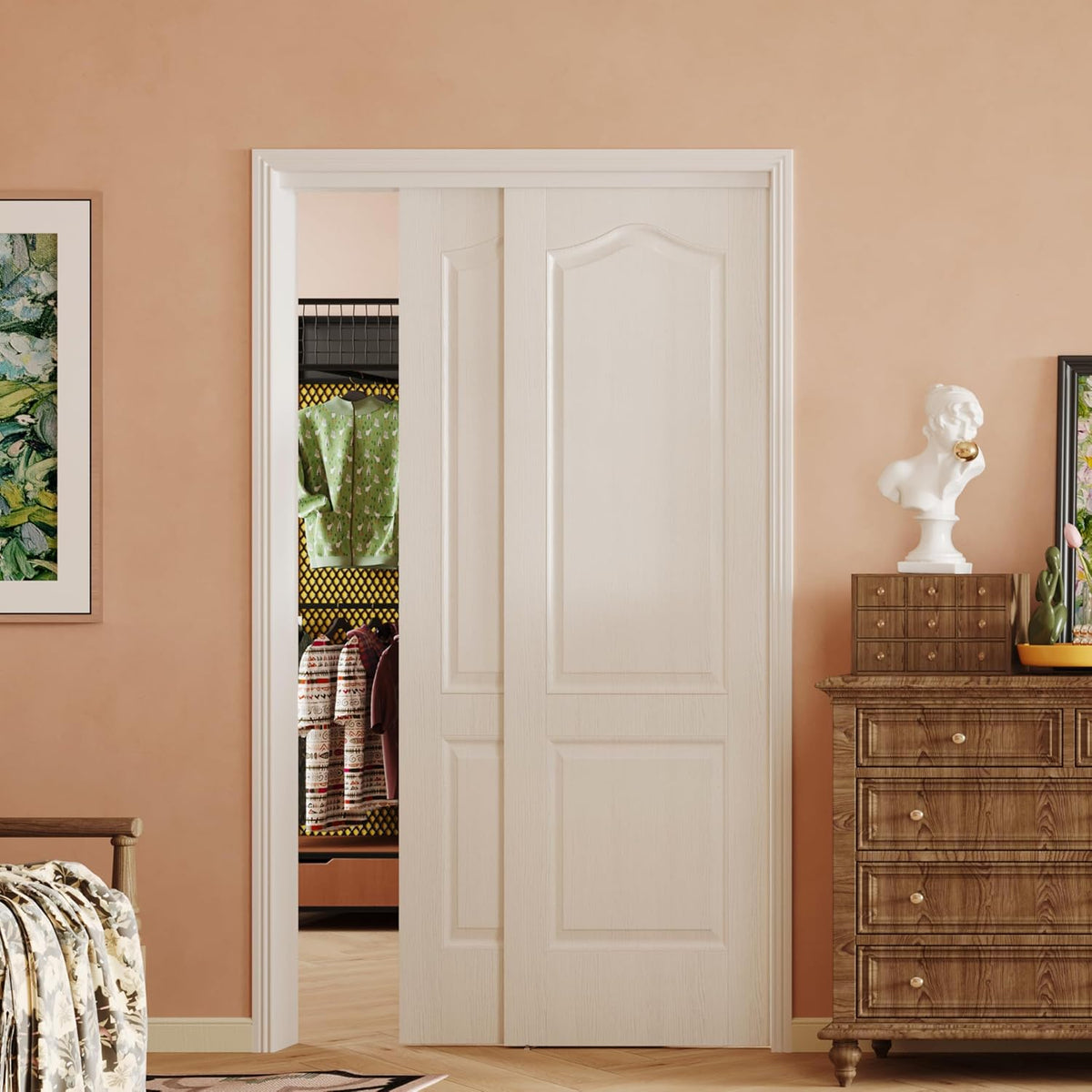
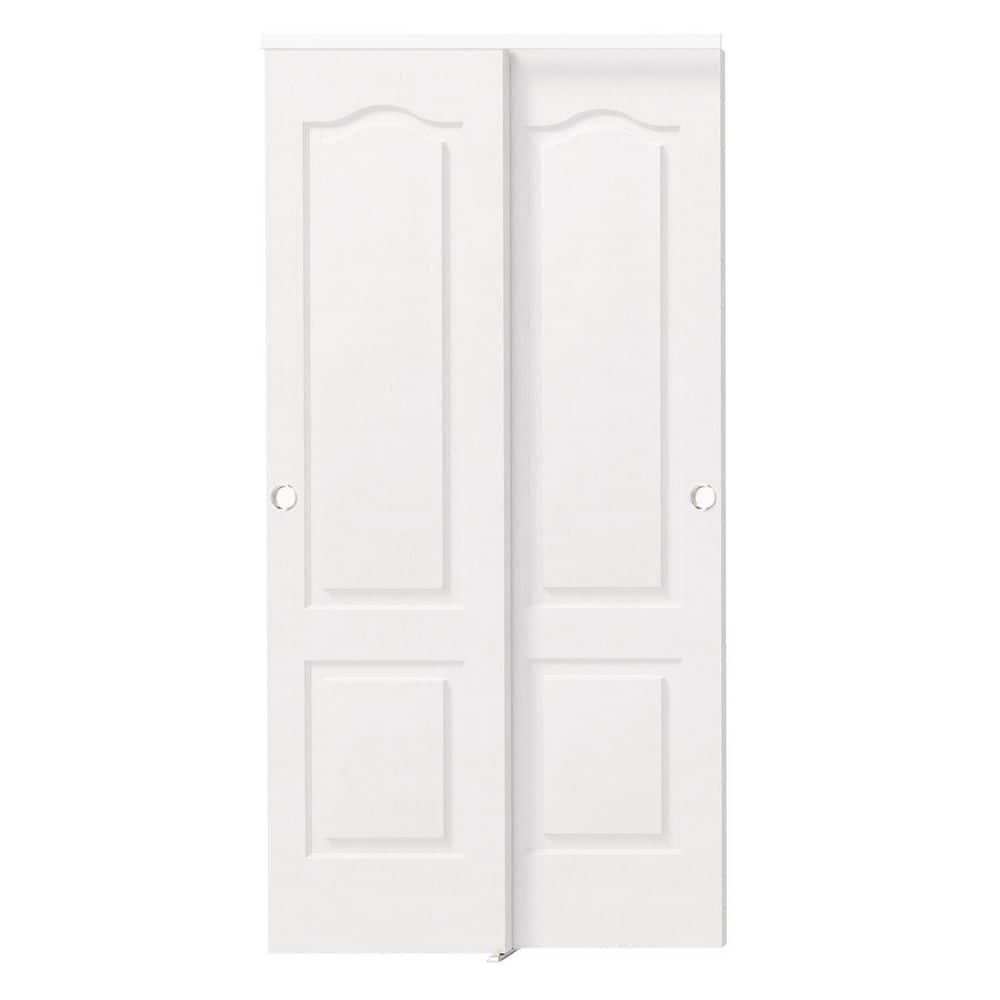
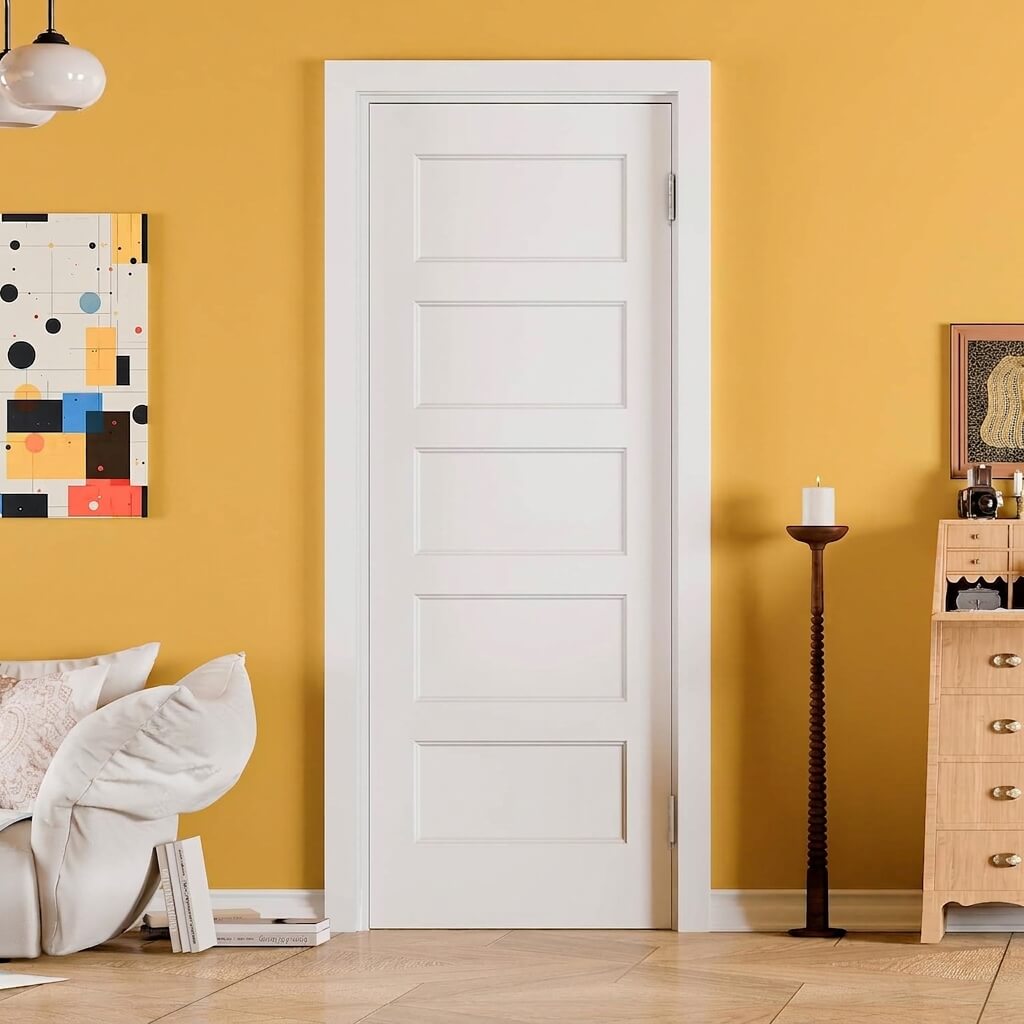
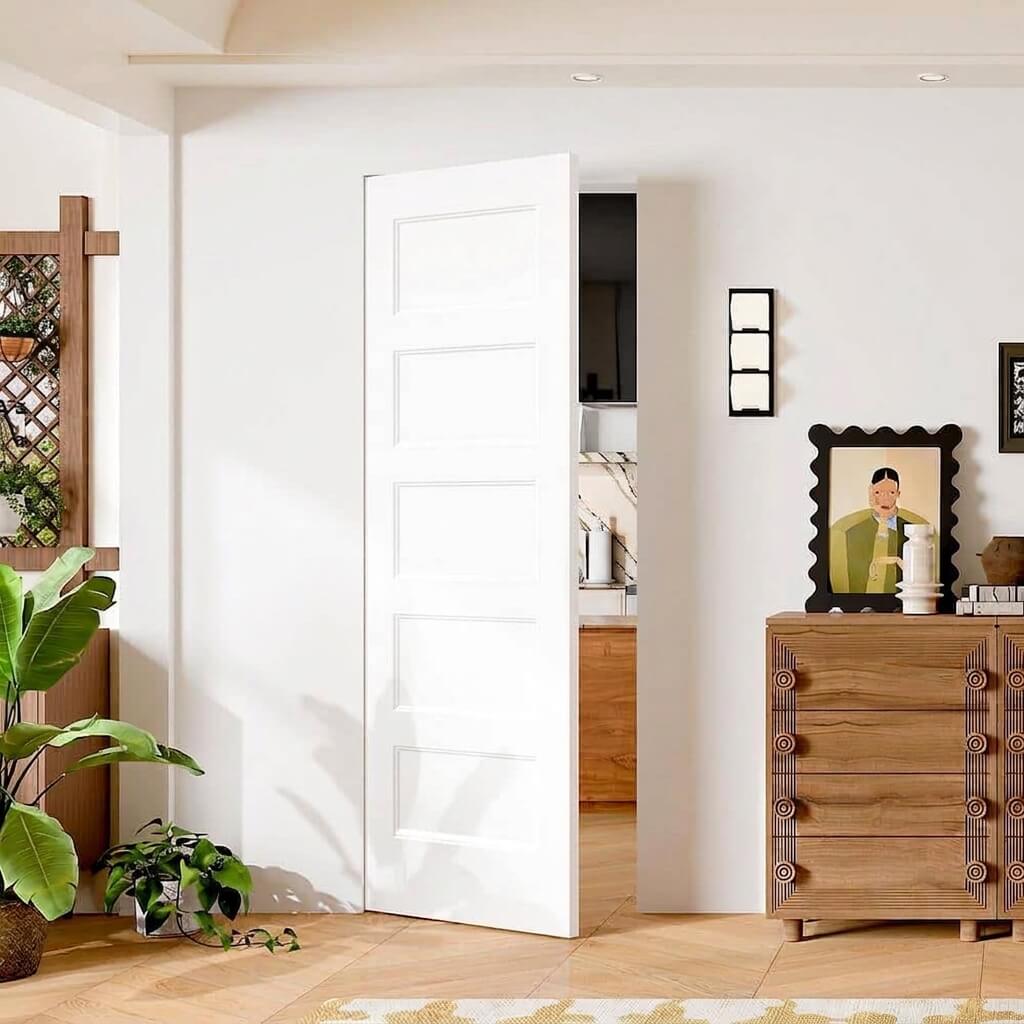
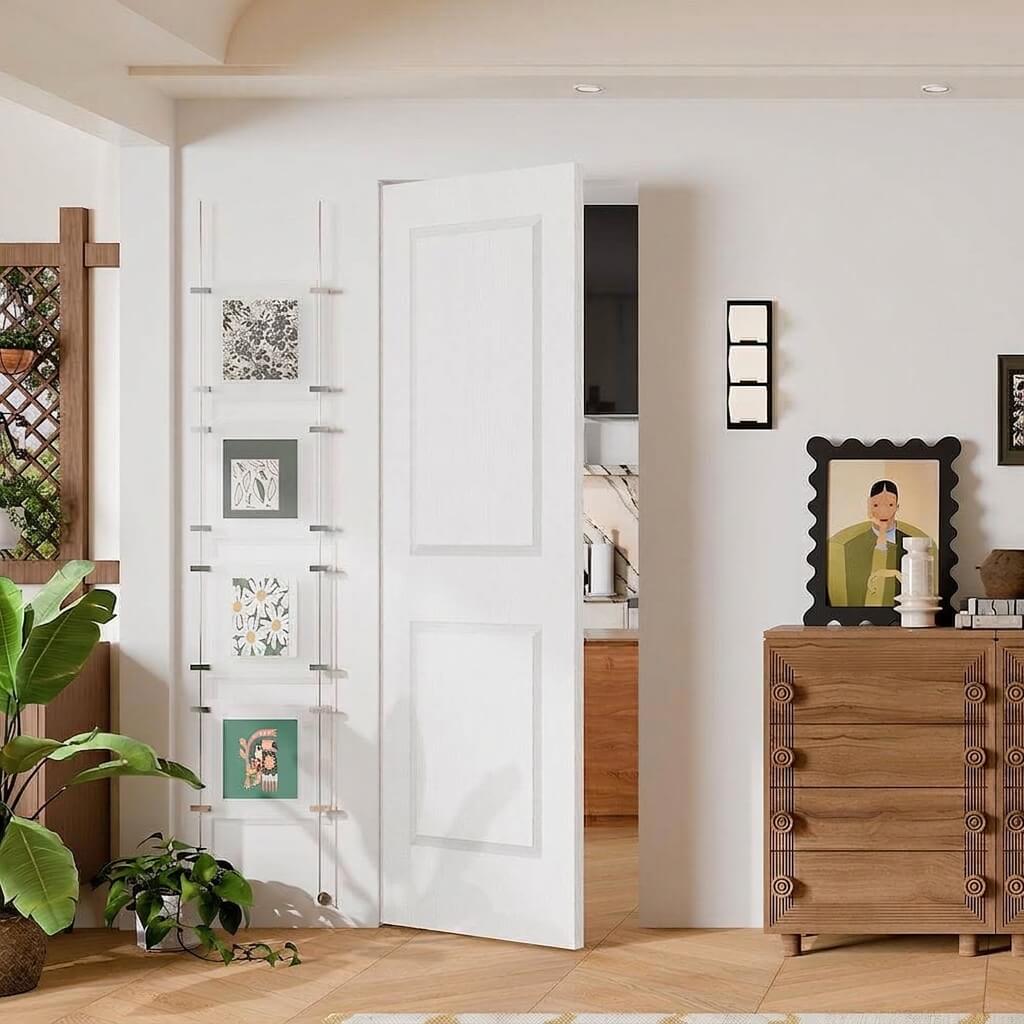
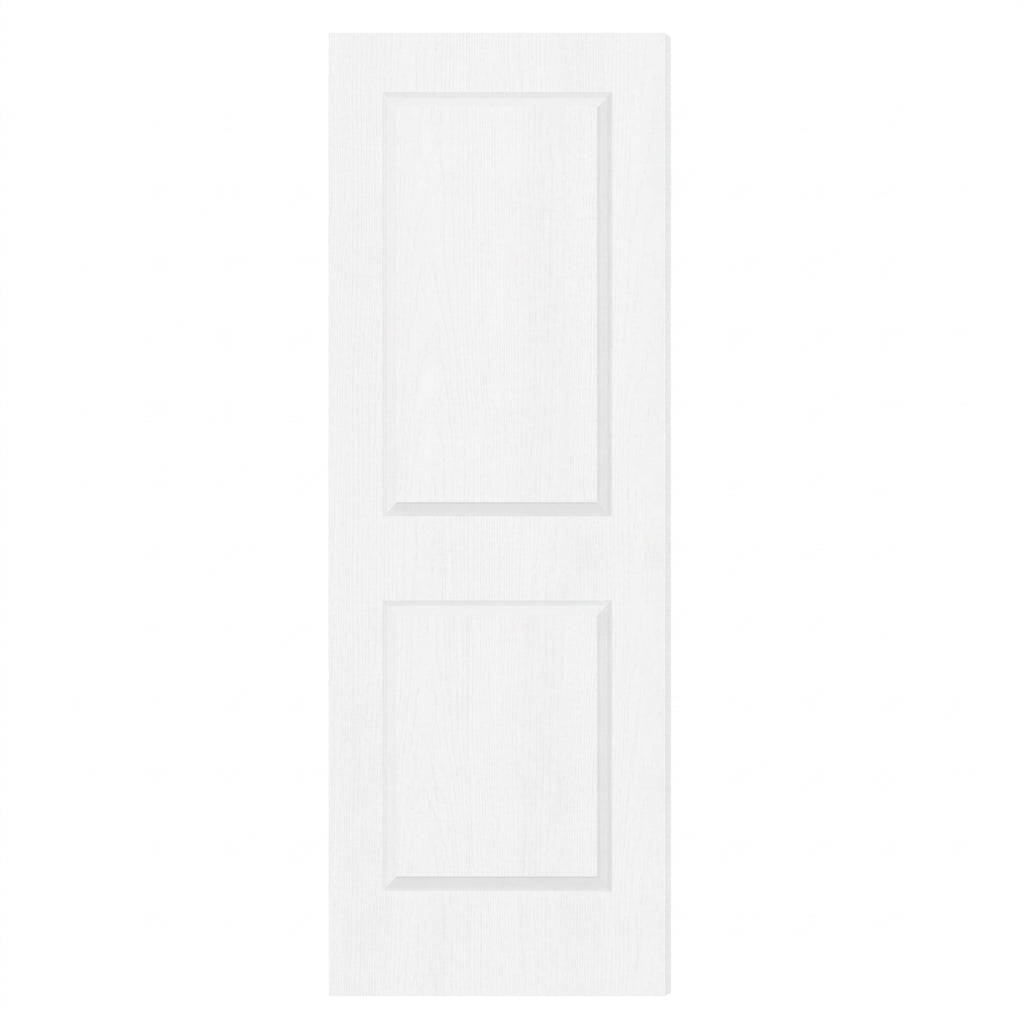


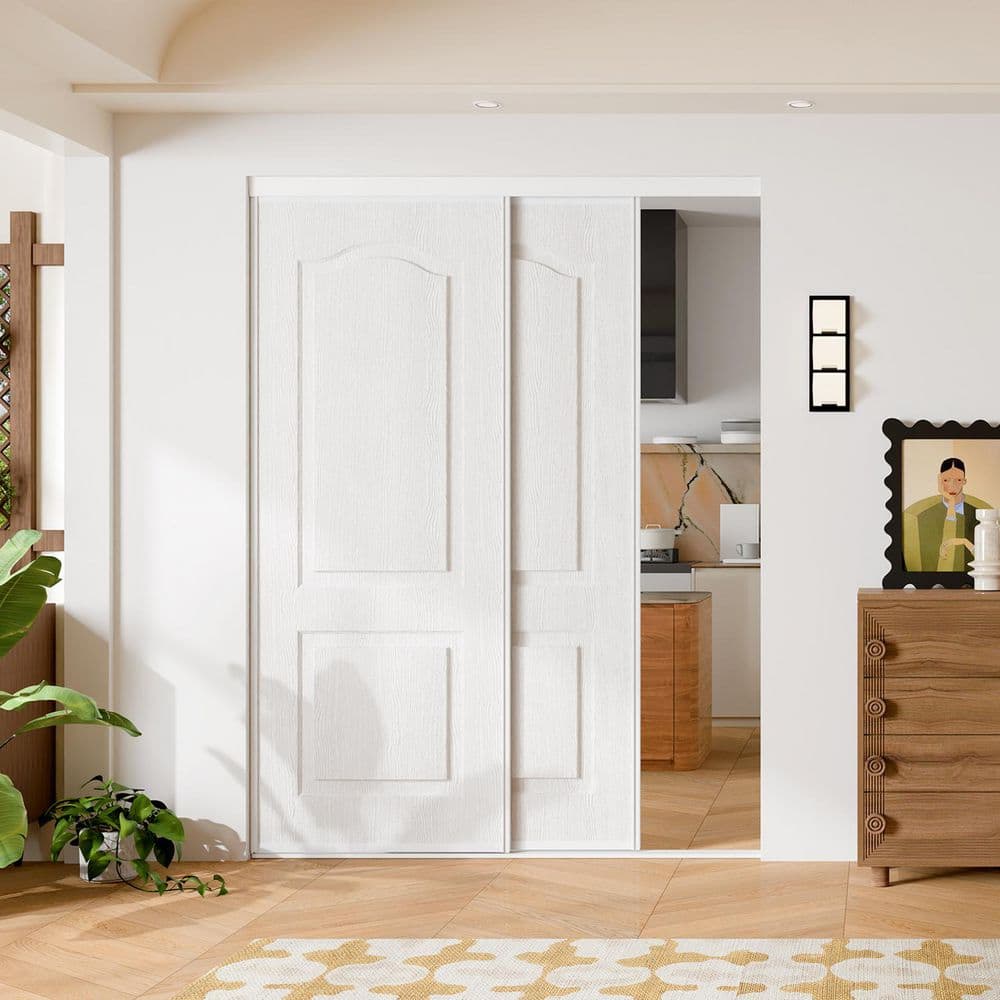


Helpful Information About Hollow Core Interior Doors
What Is Inside a Hollow Core Door?
A hollow core door is not completely empty. TENONER doors contain honeycomb paperboard between the outer faces. This internal structure supports the faces while keeping the door lighter than a comparable solid-core model.
Solid wood framing around the perimeter provides support along the edges and helps the panel maintain its shape. The MDF faces create a smooth surface for the white primer and subsequent finishing.
What Helps the Door Maintain Its Shape?
The solid wood perimeter and honeycomb core work together to support the door panel. The framing reinforces the edges, while the honeycomb structure supports the broad surfaces.
Correct storage, installation, and finishing also matter. Keep the door dry, follow the installation instructions, and avoid prolonged moisture exposure to help maintain its shape and fit.
Hollow-Core vs. Solid-Core Interior Doors
Hollow core interior doors are generally lighter and more affordable than comparable solid-core doors. They are useful when replacing multiple doors and managing an overall renovation budget.
Solid-core doors typically provide better sound reduction and a heavier feel. If you are choosing doors for a bedroom or home office, consider how much sound separation you need before deciding. You can compare construction options across our interior doors.
Where Can I Use an Interior Hollow Core Door?
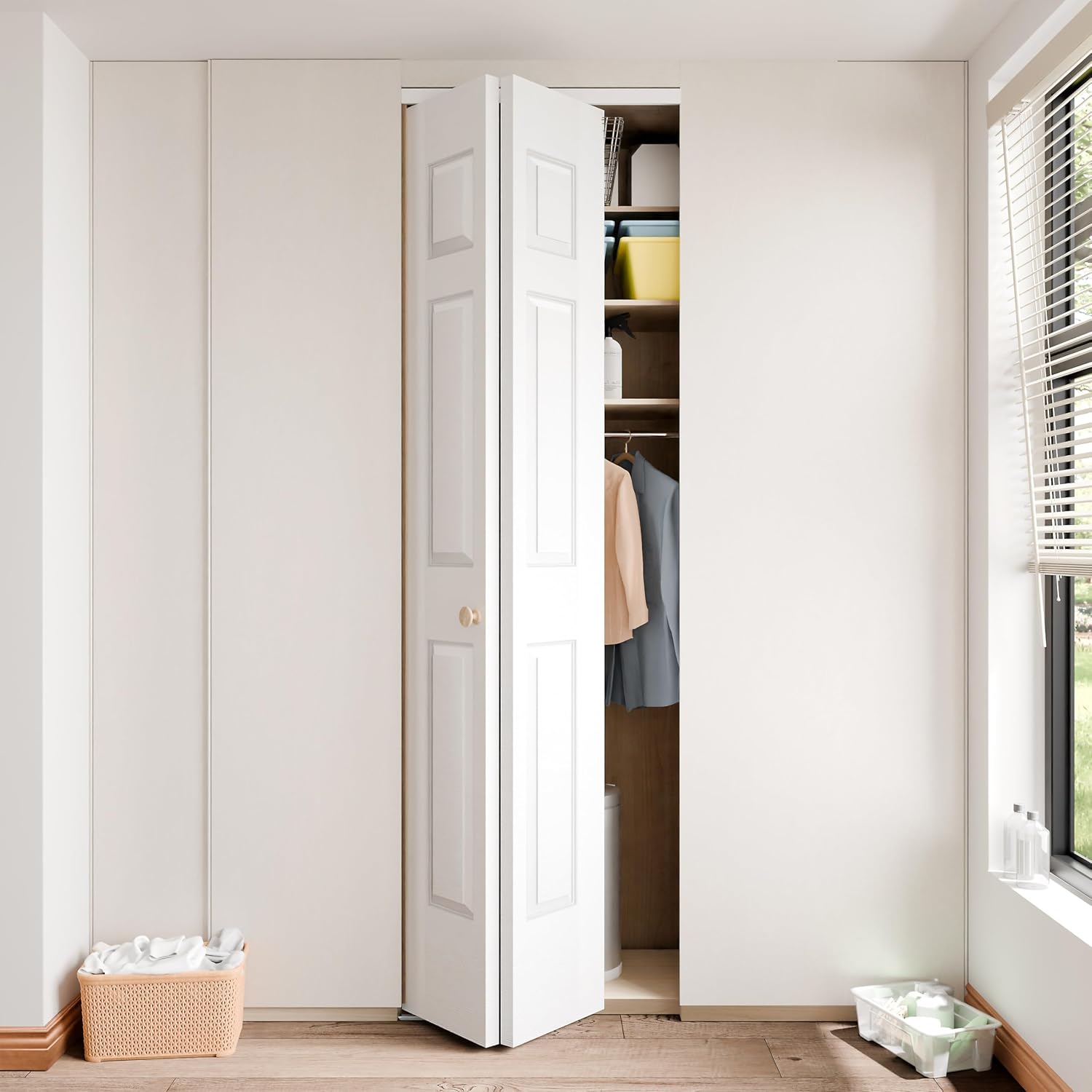
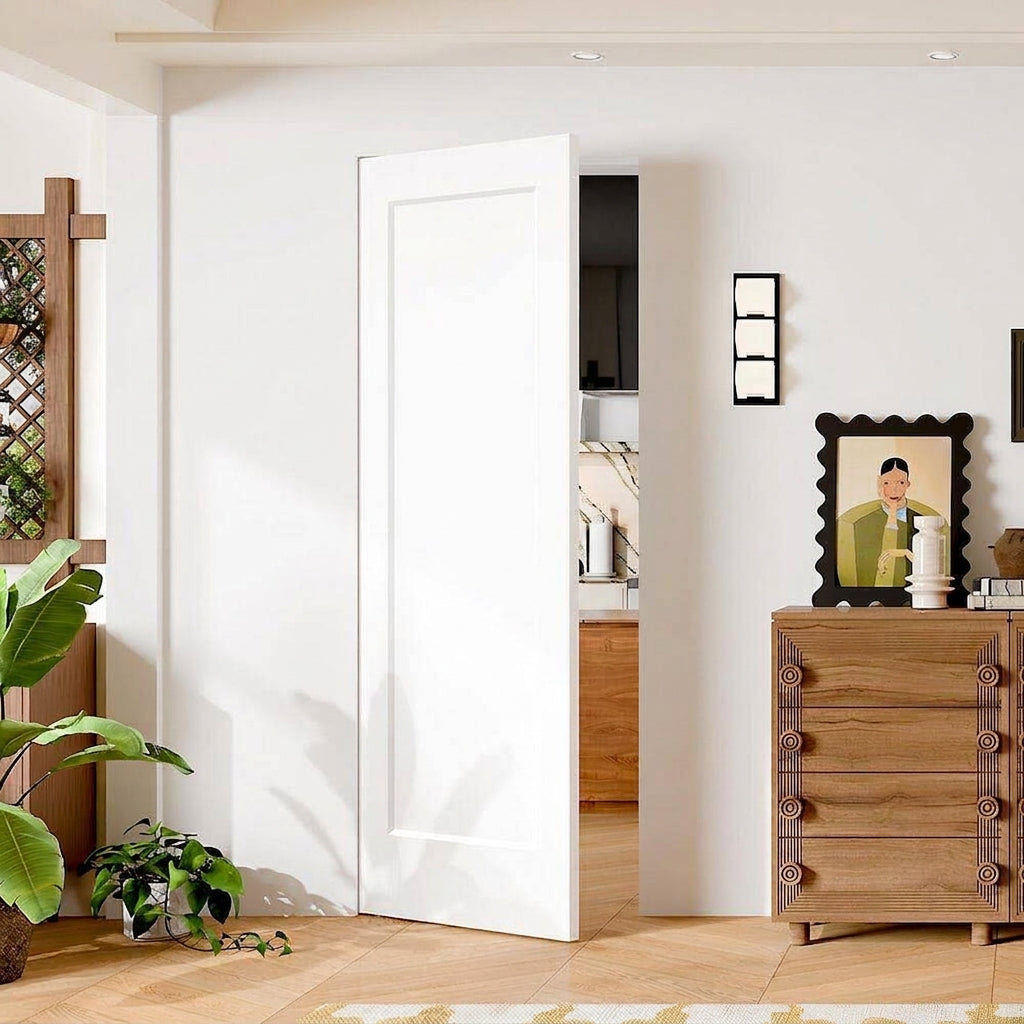
An interior hollow core door is a practical option for closets, storage rooms, and other indoor spaces where strong acoustic privacy is not essential. It can also be used for a bedroom when affordability and lighter weight are your priorities.
For a room beside a busy hallway, television area, or shared workspace, consider whether a solid-core model would better meet your needs.
Are Hollow Core Interior Doors Waterproof?
TENONER doors use moisture-resistant MDF faces with a protective white primer to help resist moisture. However, surface protection does not make the complete door waterproof.
Avoid direct water exposure, standing water, and persistently damp conditions. Pay particular attention to edges and any areas modified during installation, following the product’s finishing instructions.
Can I Paint the White Primed Surface?
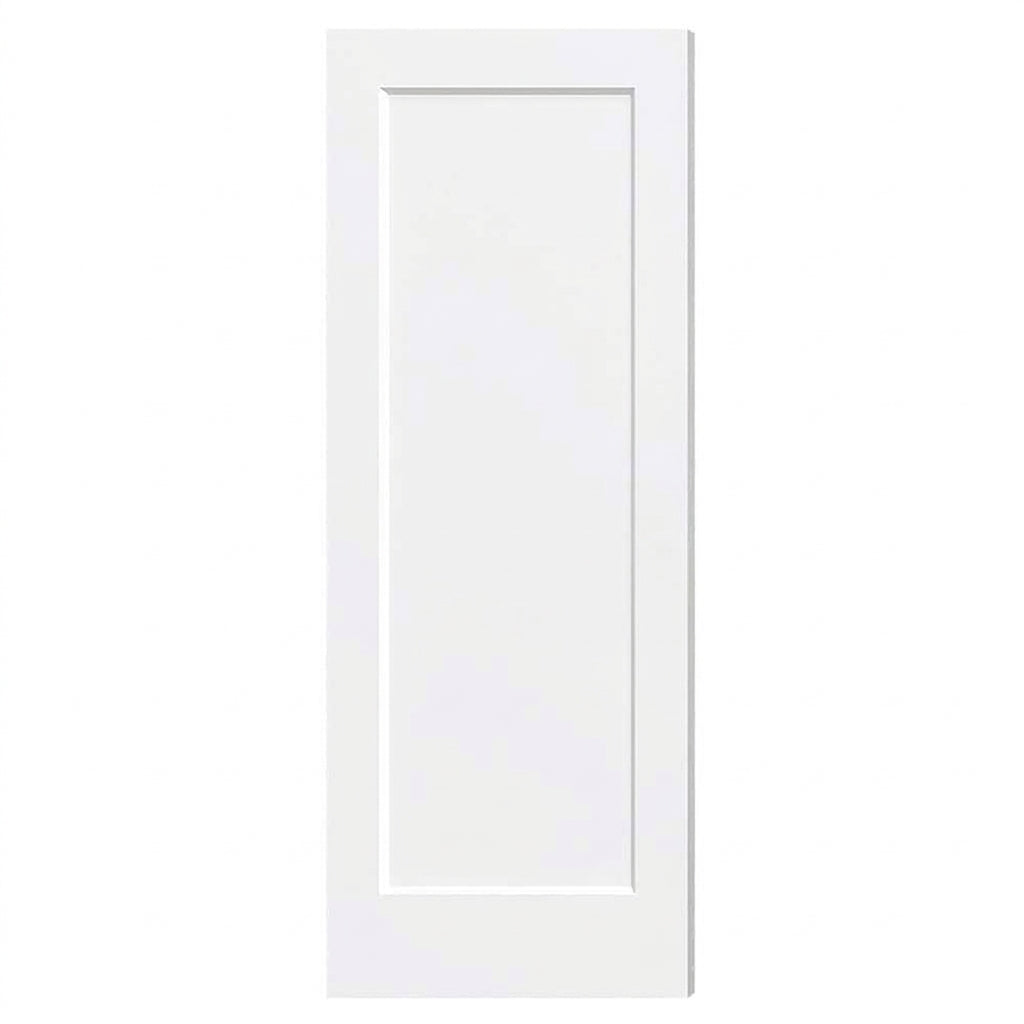
Yes. The white primer provides a base for painting your hollow core interior doors to coordinate with your walls, trim, or cabinetry.
If the surface is smooth, lightly sand it as directed to improve paint adhesion, then remove the dust and allow the surface to dry before painting. Use a compatible interior door paint and follow its application instructions. Avoid excessive sanding that removes the protective primer.
Do Hollow Core Doors Reduce Noise?
A closed hollow core door provides some separation between rooms, but its lightweight core generally blocks less sound than a comparable solid-core door.
The gaps around the panel and beneath the door also affect sound transmission. If quieter rooms are a priority, compare solid-core options rather than relying on the surface finish or panel design to improve acoustic performance.
Can I Replace an Existing Door Without Replacing the Frame?
Yes, if the existing frame is sound, square, and compatible with the replacement panel. Check the width, height, thickness, hinge positions, and lock preparation before ordering.
Explore our interior slab door options if you plan to retain your frame. Have your installer confirm the fit rather than relying on the nominal door size alone.
What Should I Measure Before Ordering?
For a panel replacement, measure the existing door’s width, height, and thickness. Check the frame opening in several places to identify unevenness, and record the hinge and handle positions.
If you are replacing the frame as well, follow the selected model’s required opening dimensions. Door-panel measurements and rough-opening measurements are not interchangeable.
Can I Trim a Hollow Core Door?
Up to 20mm can be trimmed from the bottom of a hollow-core interior door. Removing too much material can expose the honeycomb core or weaken the edge.
Can I Attach Hooks or a Mirror to the Door?
Check the fixing requirements before attaching accessories. The thin MDF faces and honeycomb interior do not provide the same screw-holding support as solid wood throughout the panel.
Do not assume ordinary screws will safely support a mirror or other heavy item. Confirm the accessory’s weight, the fixing method, and the door’s suitability before installation.
Can These Doors Be Used Outdoors?
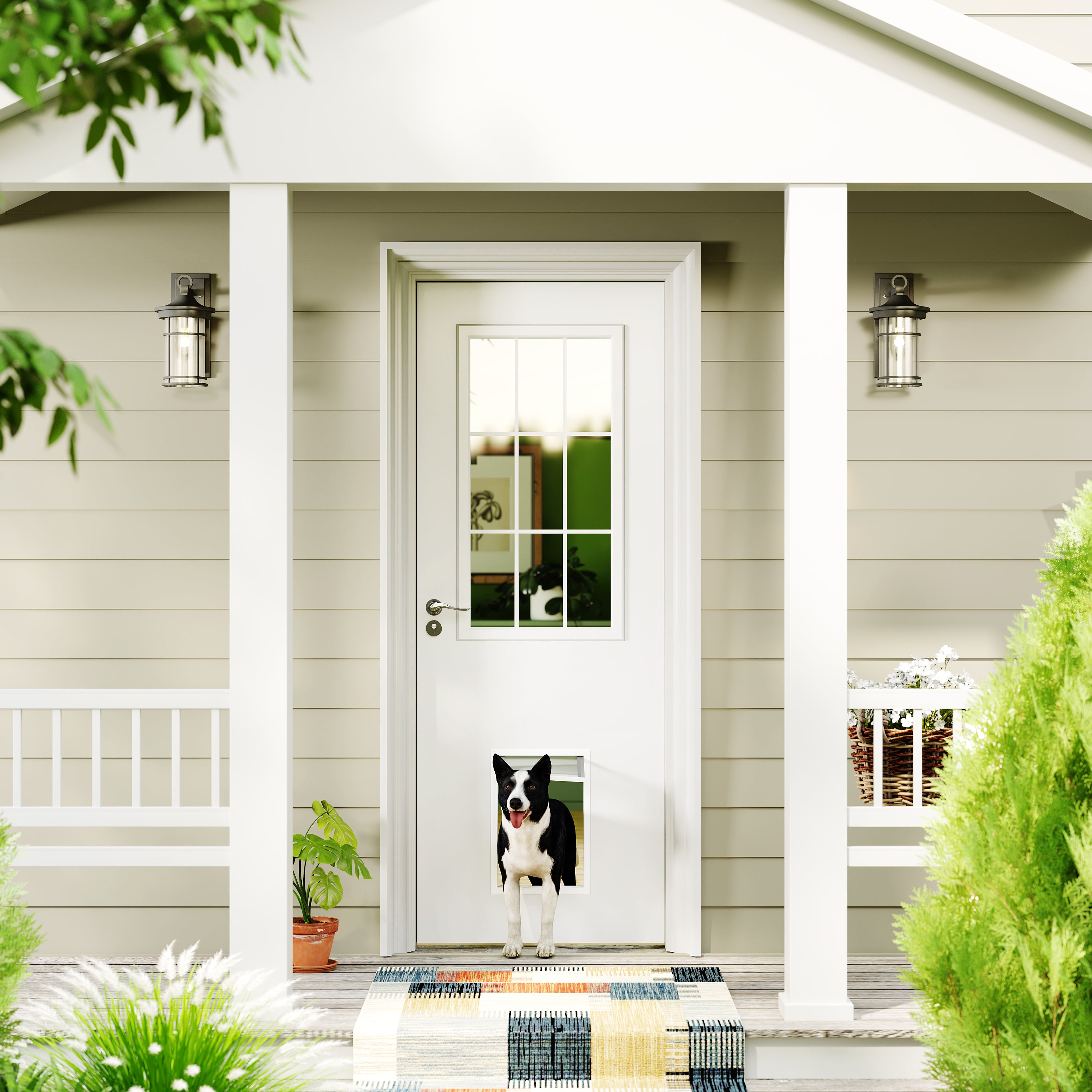
No. These hollow core interior doors are intended for indoor use. Moisture-resistant faces and white primer do not make them suitable for an exterior entrance.
Choose a door specifically designed for outdoor exposure when replacing a front, back, or other exterior door.