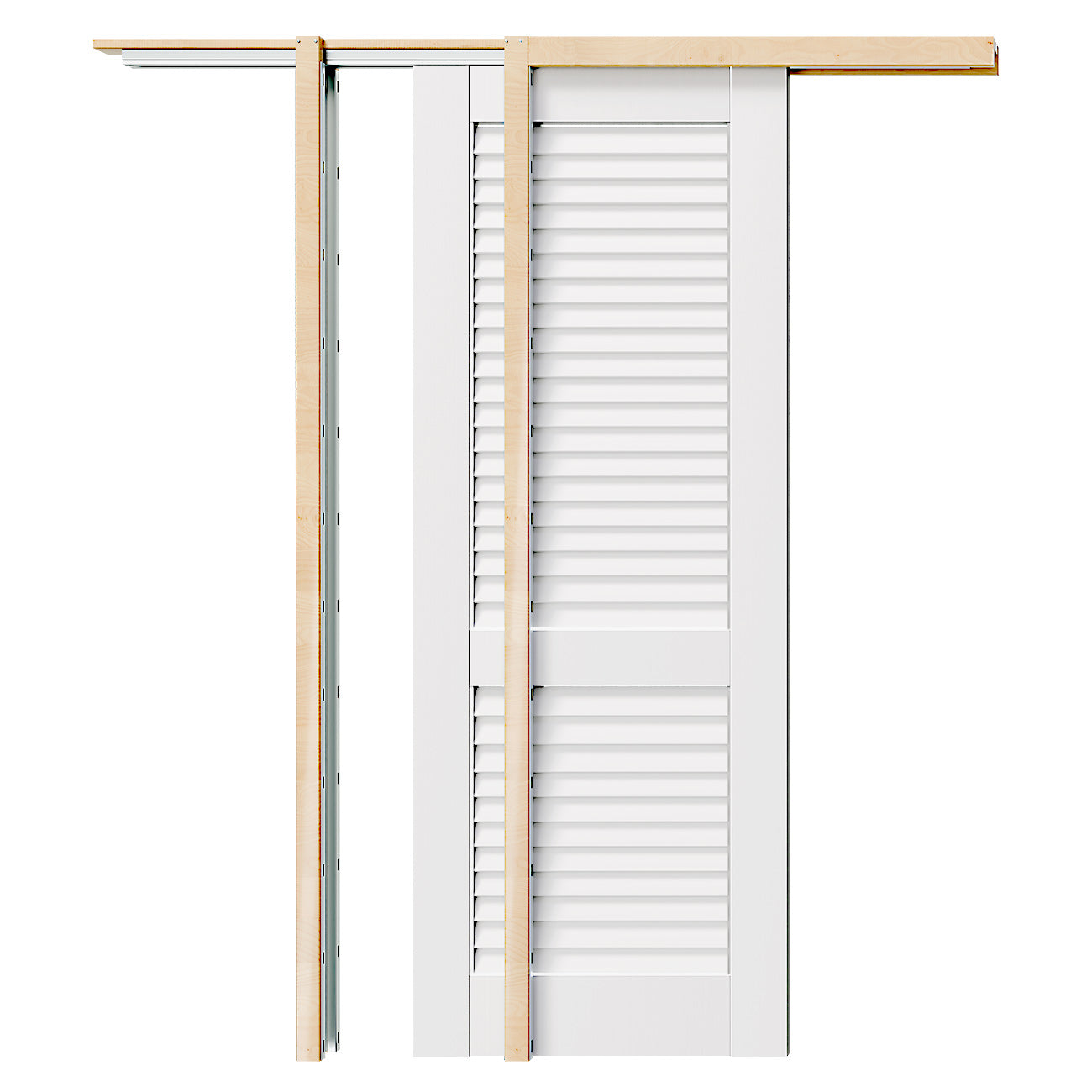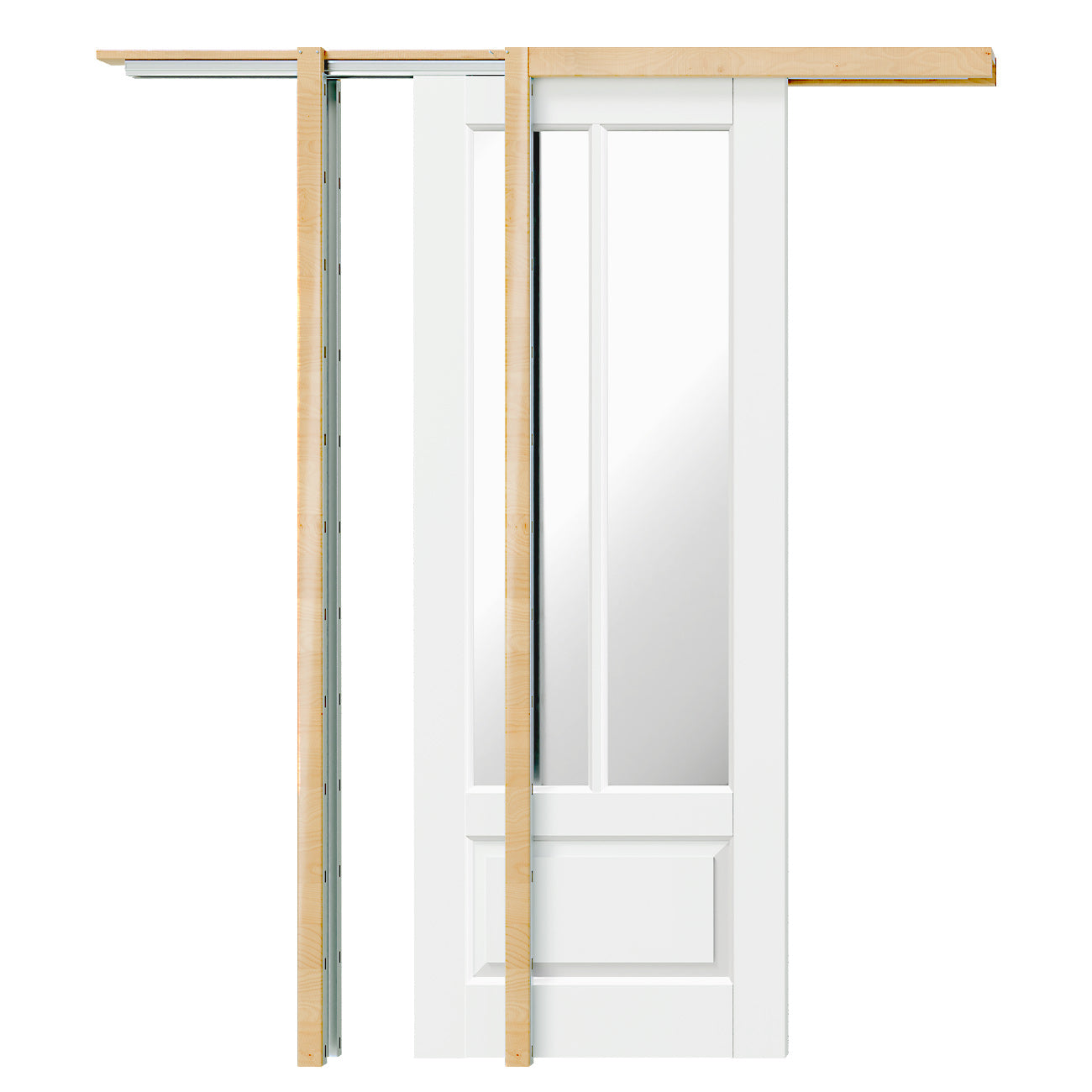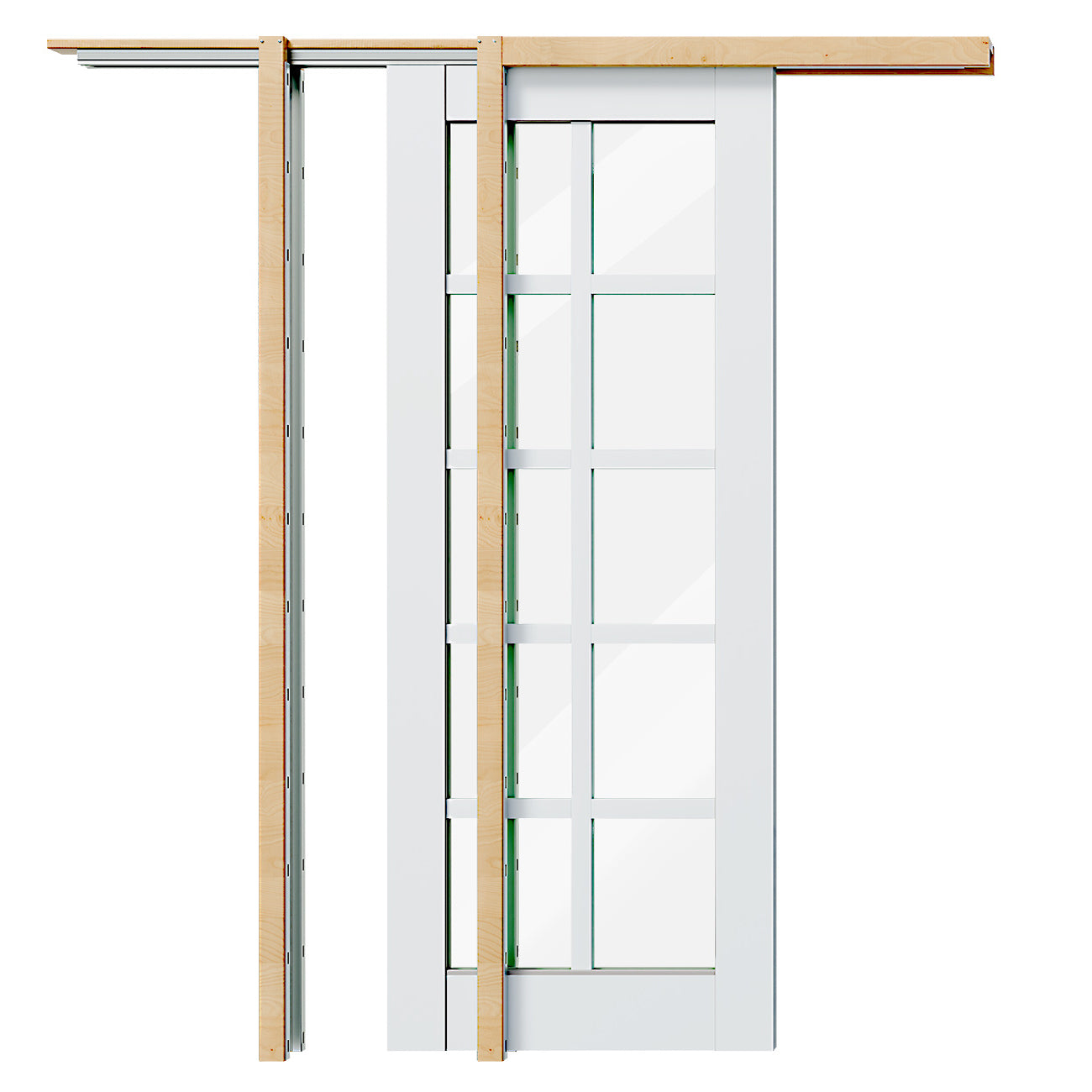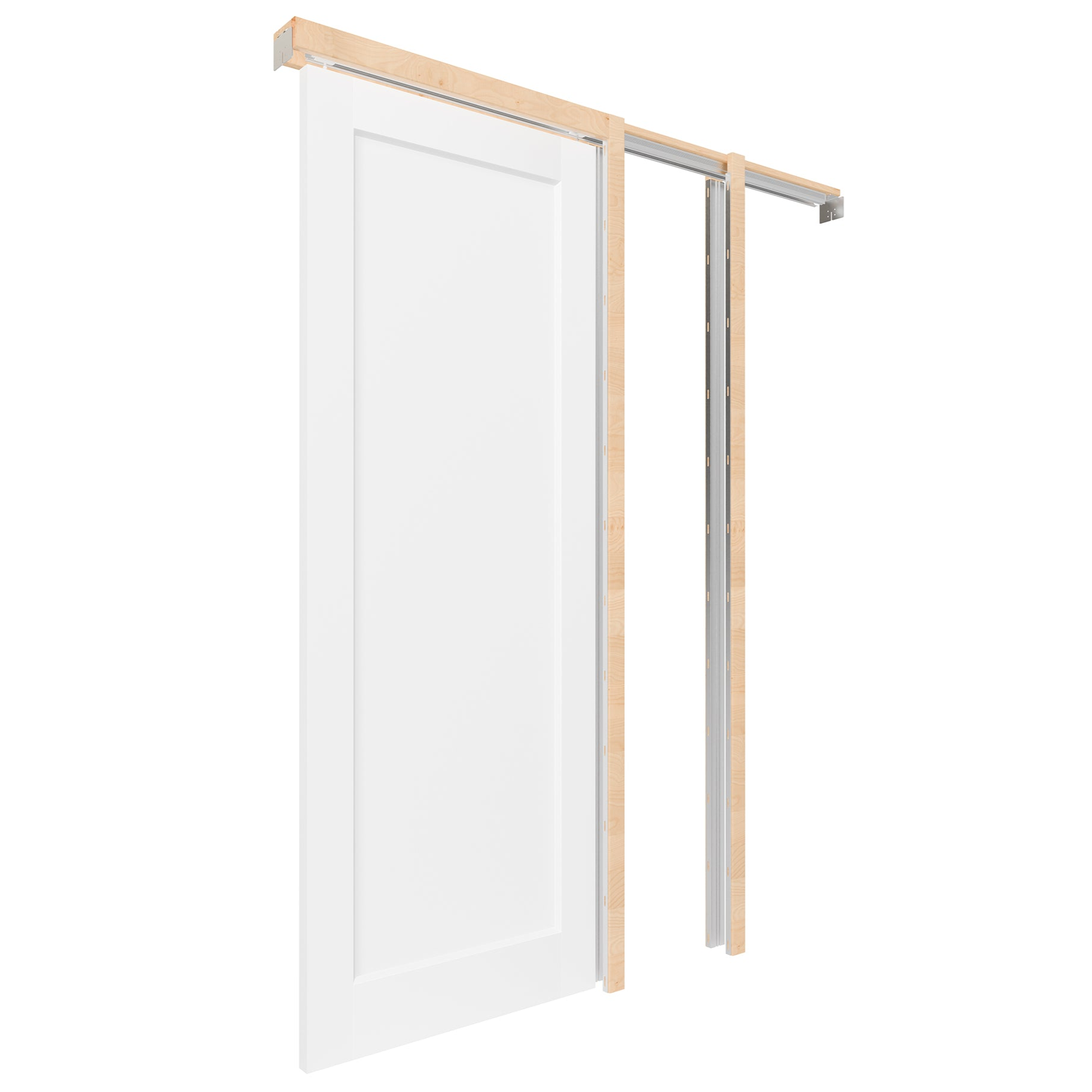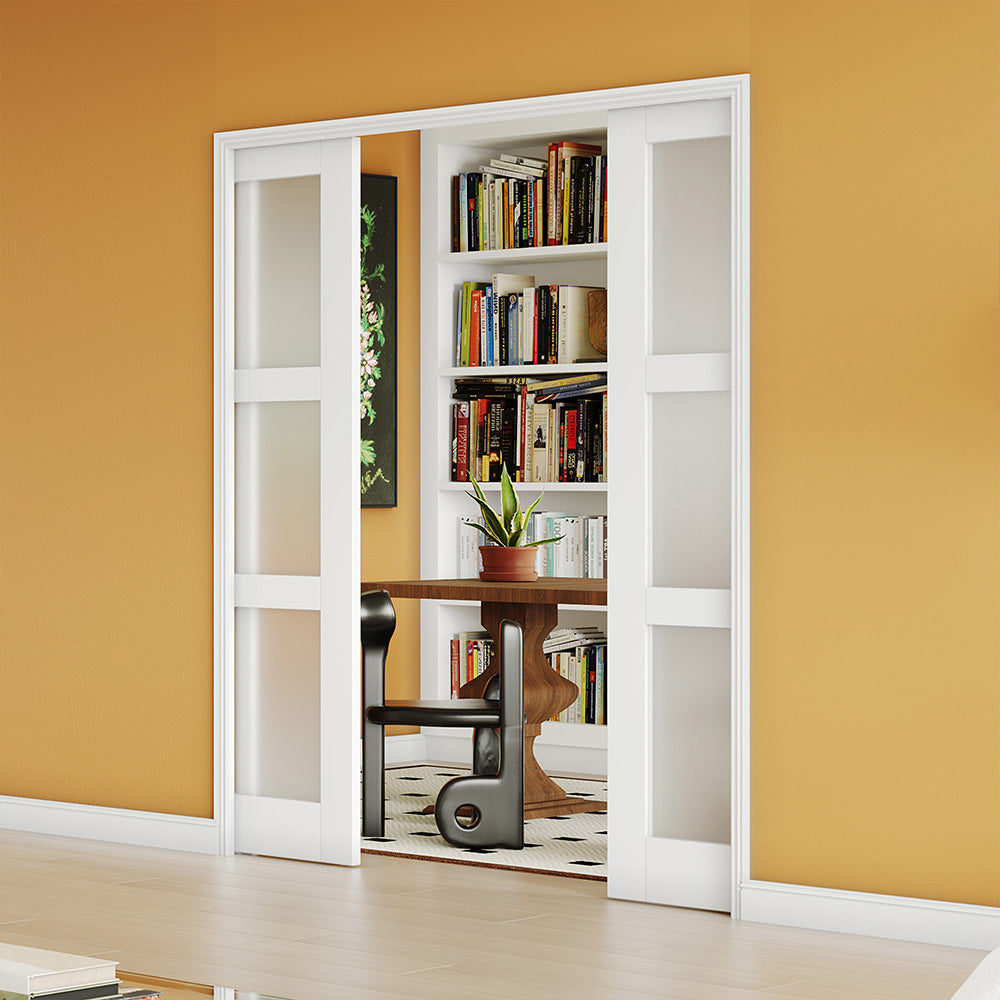
When it comes to home design and daily living, a series of issues might emerge. Have you encountered these pain points?
- In a narrow corridor, after installing a swing door, the door leaf opens outward and occupies the passageway. Every time you pass through, you have to turn sideways.
- There is a lack of a flexible partition between the open study and the living room, making it easy to be distracted while working.
- The cooking fumes in the kitchen spill out, but the protruding track of the traditional sliding door is likely to cause people to trip......
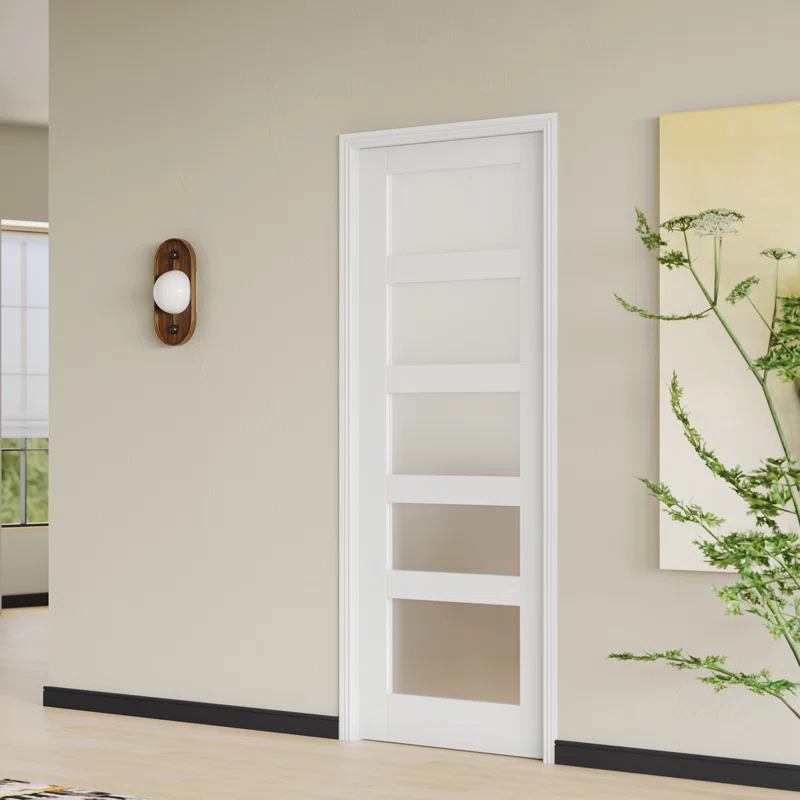
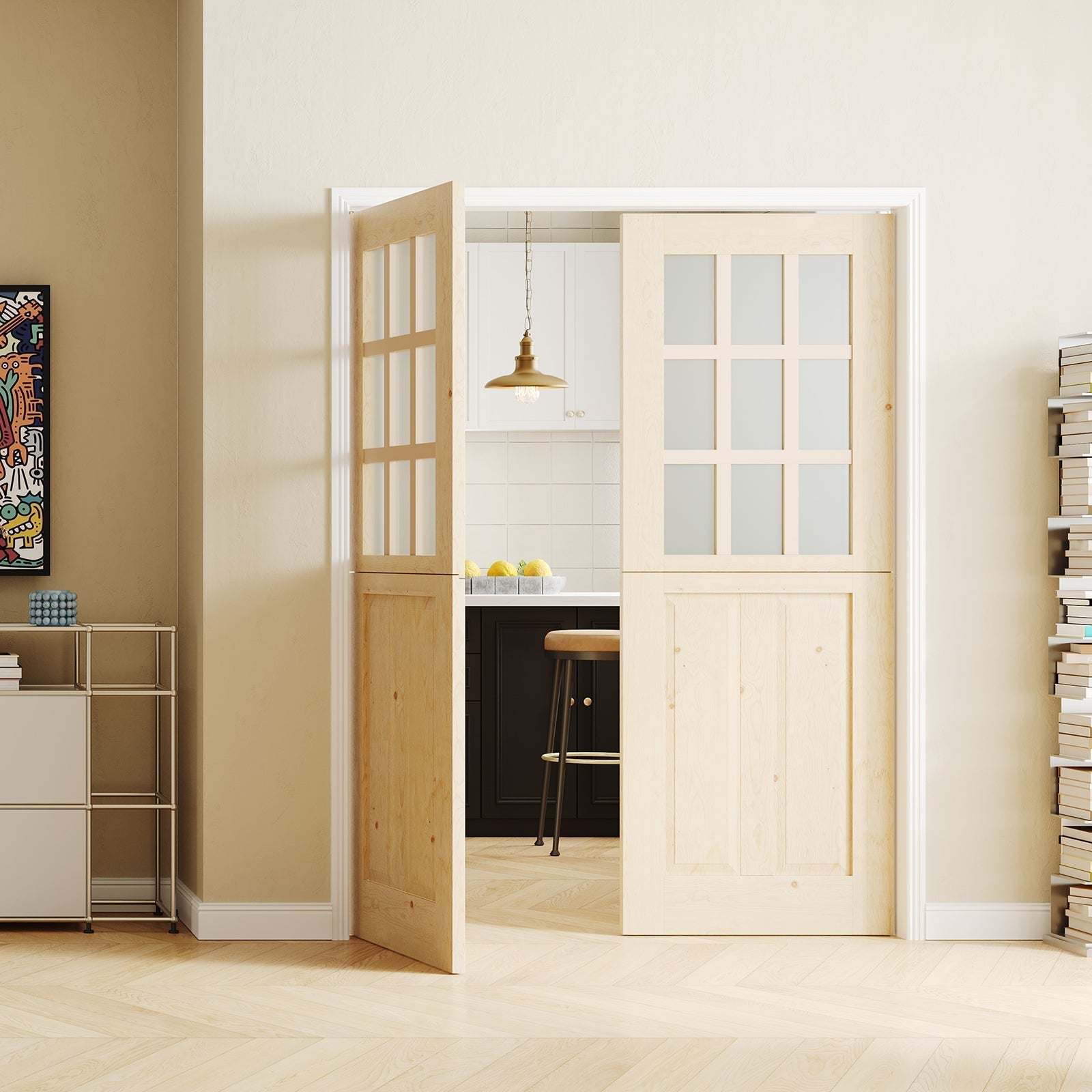
The pocket door, a design that allows the door leaf to be completely hidden in the wall, is emerging as a dark horse in the decoration industry. So, how exactly has the pocket door become increasingly popular?
Ultimate Solution for Saving Space
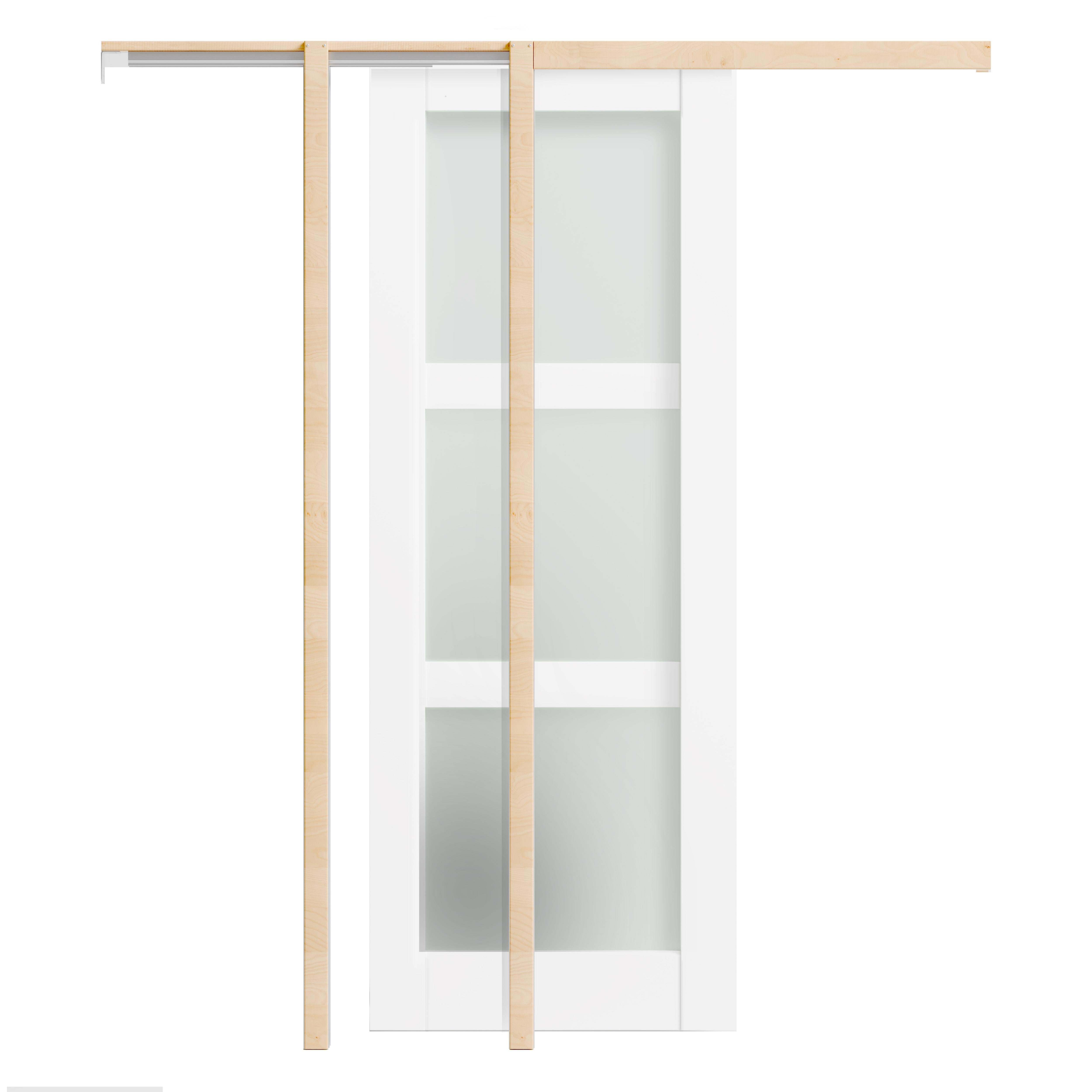
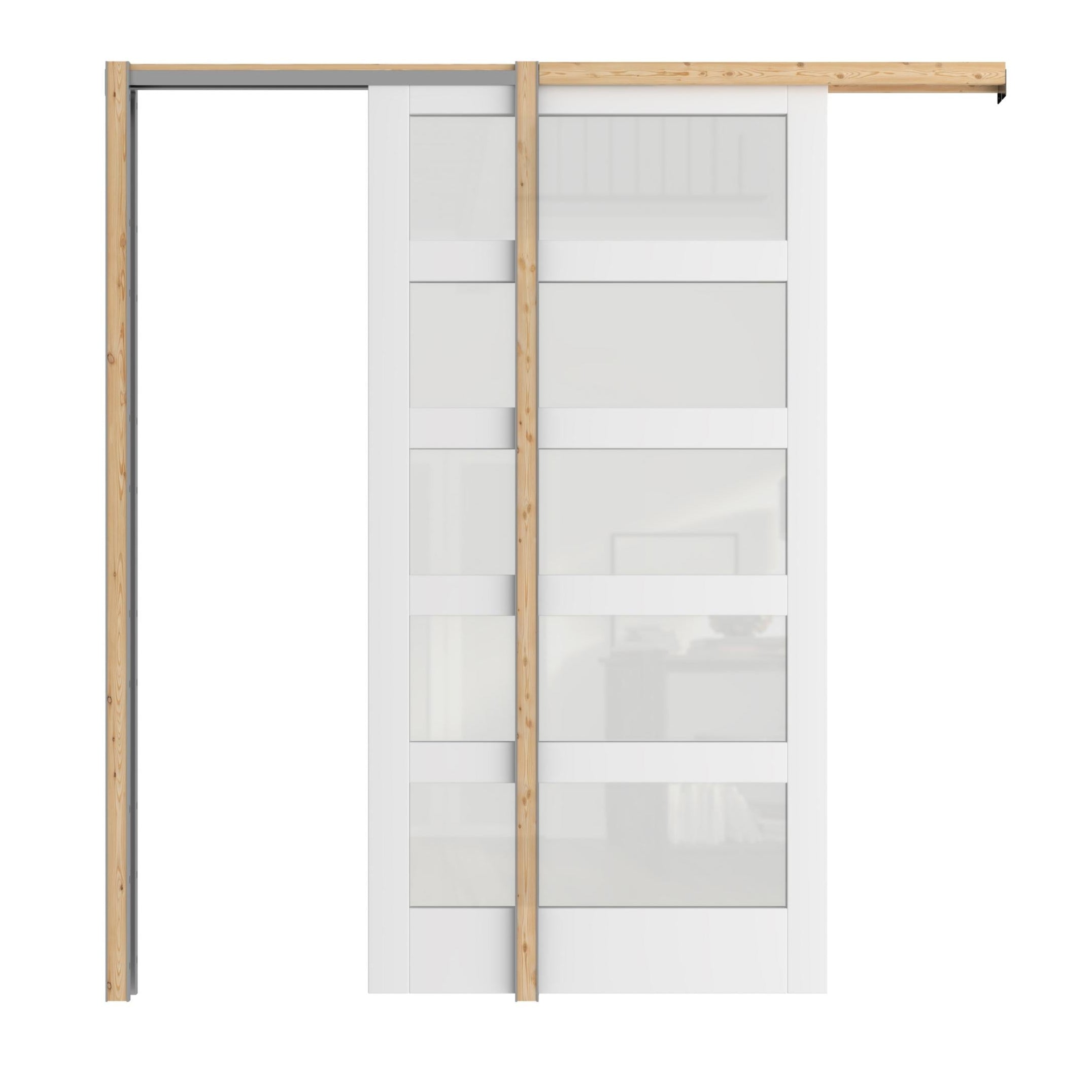
A common swing door requires a reserved opening radius of 90°. However, with the pocket door, through an embedded track and wall storage, the door leaf slides completely into the cavity of the side wall when opened, without any protruding part occupying space. The measured data shows that after installing the pocket door:
- The passage width of the corridor can be reduced by 15-20 cm (especially suitable for narrow passages connecting the bathroom and the cloakroom).
- The kitchen partition avoids the protruding ground track of the traditional sliding door, allowing the elderly and children to pass through unobstructed.
- The invisible design makes the visual effect of the wall more continuous and eliminates the sense of space fragmentation.

1 Door, 1000 Ways to Live!
The pocket door endows the space with more possibilities through its openable and closable partition:
- Study/Living Room: When the door is closed, you can focus on work. Once the door is opened, it can instantly transform into the core social area of the family.

- Balcony/Living Room: The glass pocket door takes both lighting and heat insulation into account. You can flexibly adjust the opening degree in winter and summer.

- Dining Room/Kitchen: A pocket door here is convenient. It blocks cooking odors when closed, and enables easy dish-transfer when open, enhancing dining experience.

- Closet: A pocket door with an integrated mirror.When it is closed, it serves as a dressing mirror. When it is opened, it reveals storage space for clothes, books and other items.

The Hidden Pocket Door Design
- DIY Your Color: You can paint your door as you like. For example, choose Morandi-colored paint to match the wall for a harmonious, invisible look, or try a double-sided design with the living-room side matching the wall and the bedroom side in a contrast color for fun.
- Detail Craftsmanship: Compared with traditional doors, pocket doors eliminate door frames and hide the hardware.Handleless design enhances the integrity of the space and reduces the costs and troubles of later maintenance and handle replacement.
Long-Lasting Durability of the Precision Hardware System
- Overbuilt Tracks: Thickened metal rails engineered to handle serious weight (eg: packed bookshelves).
- Triple-Wheel Glide System: Self-lubricating hangers that make opening smoother than your smartphone screen.
- Durable Stabilizers: Bottom guides that prevent doors from wobbling.

The pocket door is not just a simple substitute for traditional doors, but rather a way of thinking about space reconstruction. It achieves functional overlap through a minimalist design approach.
If you are currently troubled by cramped space or chaotic circulation routes, why not let the pocket door open up new possibilities for you?